
Stratégies pour aider les entreprises de taille intermédiaire à surmonter les défis de l’adoption du cloud



Bien que le passage au cloud soit un facteur de transformation pour les entreprises, la réalité est que les DSI et CDO des moyennes entreprises doivent prendre en compte un certain nombre de défis liés à l'adoption du cloud. Voici les trois défis les plus urgents dont nous avons entendu parler - et comment vous pouvez les résoudre.
- Exploiter les investissements existants dans l'infrastructure de données.
- Combler le fossé des compétences techniques.
- Visibilité et contrôle des coûts de l'informatique en nuage.
Recommandations
- Innovez avec des solutions de cloud hybride sécurisées.
- Choisissez des services gérés qui correspondent aux capacités techniques de votre équipe chargée des données.
- Maîtriser les coûts grâce à une pile de données plus rationnelle.
Innover avec des solutions de cloud hybride sécurisées pour l'adoption du cloud
Il est indéniable que l'adoption de l'informatique dématérialisée est moins coûteuse à long terme. L'élimination des coûts d'investissement permet aux DSI d'allouer les ressources de manière stratégique, d'améliorer la prévisibilité financière et d'aligner les dépenses informatiques sur les objectifs de l'entreprise. Cette évolution vers des modèles basés sur l'OpEx fait partie intégrante de la modernisation des opérations informatiques et du soutien à la croissance et à l'agilité des organisations dans l'économie numérique d'aujourd'hui.
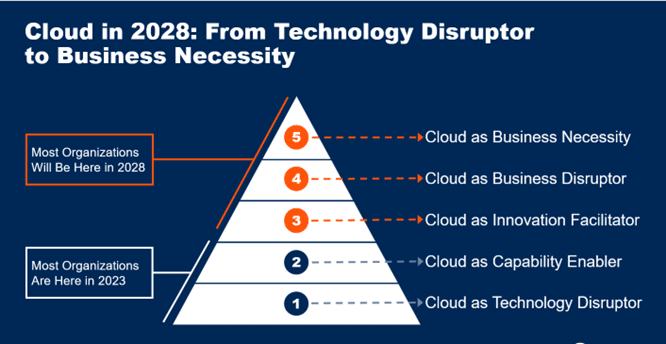
Cependant, la migration de toutes les charges de travail vers le cloud en une seule étape comporte des risques inhérents, notamment des perturbations potentielles. De plus, les entreprises soumises à des exigences strictes en matière de souveraineté des données ou à des obligations réglementaires peuvent être amenées à conserver certaines données sur site des raisons juridiques, de sécurité ou de confidentialité. Le cloud hybride atténue ces risques en permettant aux entreprises de migrer progressivement, de valider leurs déploiements et de résoudre les problèmes de manière itérative, sans impact sur les opérations métier critiques. Il offre une approche pragmatique aux entreprises de taille moyenne qui souhaitent migrer vers le cloud tout en tirant parti de leurs investissements existants dans l’infrastructure de données.
Comment l'intégration de données hybrides d'Actian peut vous aider
La plateforme Actian Analytics AI allie les avantages d sur site à évolutivité à l’élasticité du cloud pour workloads analytiques. En facilitant l’intégration transparente entre les sources sur site et entrepôt de données cloud, la plateforme permet aux entreprises de mettre en place des pipelines de données en cloud hybride couvrant les deux environnements. Cette intégration simplifie le transfert, le stockage et l’analyse des données, permettant ainsi aux organisations de prolonger la durée de vie de leurs actifs existants et de mettre en place une infrastructure de données cohérente, unifiée et résiliente.
Choisissez des services gérés qui correspondent aux capacités techniques de votre équipe chargée des données
L'adoption du cloud offre une multitude de nouvelles opportunités, mais le déficit de compétences dans ce domaine reste un problème. La forte demande entraîne une concurrence acharnée sur le marché pour recruter du personnel technique qualifié. Les entreprises de taille moyenne, tous secteurs et toutes zones géographiques confondus, peinent à recruter et à fidéliser les meilleurs talents dans les domaines de l'architecture cloud, des opérations, de la sécurité et gouvernance, ce qui retarde considérablement leur adoption du cloud, leur migration vers le cloud et leur maturité dans ce domaine. Cela comporte un risque accru de se retrouver à la traîne par rapport à la concurrence.
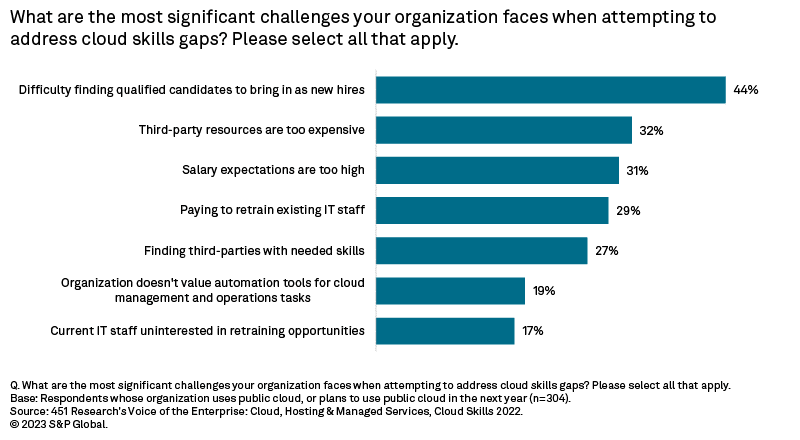
Pour combler ce déficit de compétences, des investissements stratégiques dans les ressources humaines et la formation et le développement (L&D) sont nécessaires, mais la solution à long terme doit aller au-delà du simple perfectionnement des compétences des employés. L’une de ces solutions réside dans les services gérés, généralement « low-code » ou « no-code », qui permettent ainsi même aux utilisateurs non-informaticiens d’automatiser workloads analytiques clés de BI, de reporting et workloads analytiques une supervision et une responsabilité adéquates. Les solutions gérées sont généralement conçues pour traiter de grands volumes de données et s’adapter de manière transparente à l’augmentation de ces volumes, ce qui les rend idéales pour les entreprises de taille moyenne. Elles s’appuient souvent sur frameworks de traitement distribué frameworks une infrastructure cloud pour garantir des performances et une fiabilité élevées, même avec des pipelines de données complexes.
Les solutions Low-Code d'Actian
La plateforme de données Actian conçue pour gouvernance collaboration et gouvernance entreprises de taille moyenne. Elle intègre plus de 200 connecteurs entièrement géré vers des sources de données courantes telles que les bases de données, le stockage dans le cloud, les API et les applications. Ces connecteurs éliminent le recours au codage manuel pour interagir avec différents systèmes de données, ce qui accélère le processus d’intégration et réduit le risque d’erreurs. La plateforme intègre également des outils de transformation, de nettoyage et d’enrichissement des données. Les intégrateurs amateurs et les analystes métier peuvent appliquer diverses transformations aux données au fur et à mesure de leur transit dans le pipeline, telles que le filtrage, l’agrégation et le nettoyage, garantissant ainsi la qualité et la fiabilité des données, le tout sans écriture de code.
Maîtriser les coûts grâce à une pile de données plus rationalisée
Les entreprises de taille moyenne repensent leur patrimoine de données afin de réduire la complexité de la modernisation de l'informatique en nuage et de définir clairement les responsabilités en matière de coûts dans l'ensemble de leur pile technologique. Cette complexité est due à différents facteurs, notamment la nécessité de remanier les applications existantes, de s'intégrer aux systèmes sur site existants, de gérer les environnements de cloud hybride, de répondre aux exigences de sécurité et de conformité, et de garantir une interruption minimale des opérations commerciales.
Les solutions ponctuelles, bien qu’utiles pour résoudre des problèmes spécifiques, peuvent entraîner une augmentation des coûts opérationnels, une baisse de la qualité des données et l’apparition de points de défaillance potentiels, ce qui accroît le risque de fuites de données et d’infractions réglementaires. Bien que leur coût d’acquisition soit faible, les coûts liés à support, à la maintenance et à l’interopérabilité de ces solutions sont presque toujours élevés.
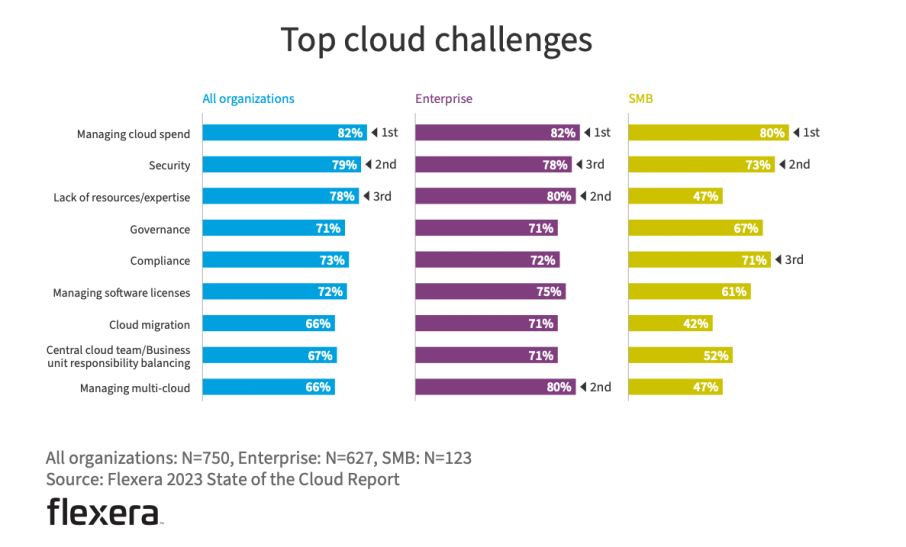
Pour réussir leur transition vers le cloud, les entreprises doivent adopter une approche plus globale de gestion des données, en s'attachant à exploiter les données à l'échelle de l'ensemble de leur écosystème. plateformes de données plateformes simplifier l'infrastructure de données, ce qui permet aux entreprises de migrer et de moderniser leurs systèmes de données plus rapidement et plus efficacement dans des environnements natifs du cloud, tout en réduisant les coûts de licence et en rationalisant la maintenance et support.
Comment la plateforme unifiée d'Actian peut vous aider
La plateforme Actian Analytics AI permet d'exploiter pleinement le potentiel du cloud et offre plusieurs avantages par rapport à des solutions ponctuelles multiples grâce à son environnement centralisé et unifié permettant de gérer tous les aspects du parcours des données, de la collecte à l'analyse. La plateforme facilite la prise en main pour les utilisateurs, leur permettant ainsi de tirer davantage de valeur de leurs ressources de données tout en réduisant la complexité, en améliorant gouvernance et en favorisant l'efficacité et les économies.
Démarrage
Réservez une démonstration pour découvrir comment Actian peut accélérer votre passage à l'informatique dématérialisée de manière gouvernée, évolutif et performante en termes de prix.

Restez connecté
Des informations tirées des données, à votre service.
(par exemple : sales@..., support)
