Deploy AI agents with persistent memory. Ship them anywhere.

What developers are building with VectorAI DB
Trace
Semantic search for missing persons cases. Bridges the vocabulary gap between families and forensic records, fully on-device.

Revvec
Air-gapped RAG pipeline for defense, aerospace, and pharma. Runs on a single Mac; no internet required.
FixFirst
Offline maintenance copilot for industrial technicians. Search manuals and incident history by error code, photo, or voice note.


Most vector databases were built for human query patterns. AI agents are different.
/

Numbers that hold up under load
QPS
745.2 QPS on 10M vectors at 768 dimensions. 22x faster than Milvus and Qdrant.
retrieval accuracy
Latency p99
13ms p99 at 99% recall on self-hosted hardware where your agents run.
What you get

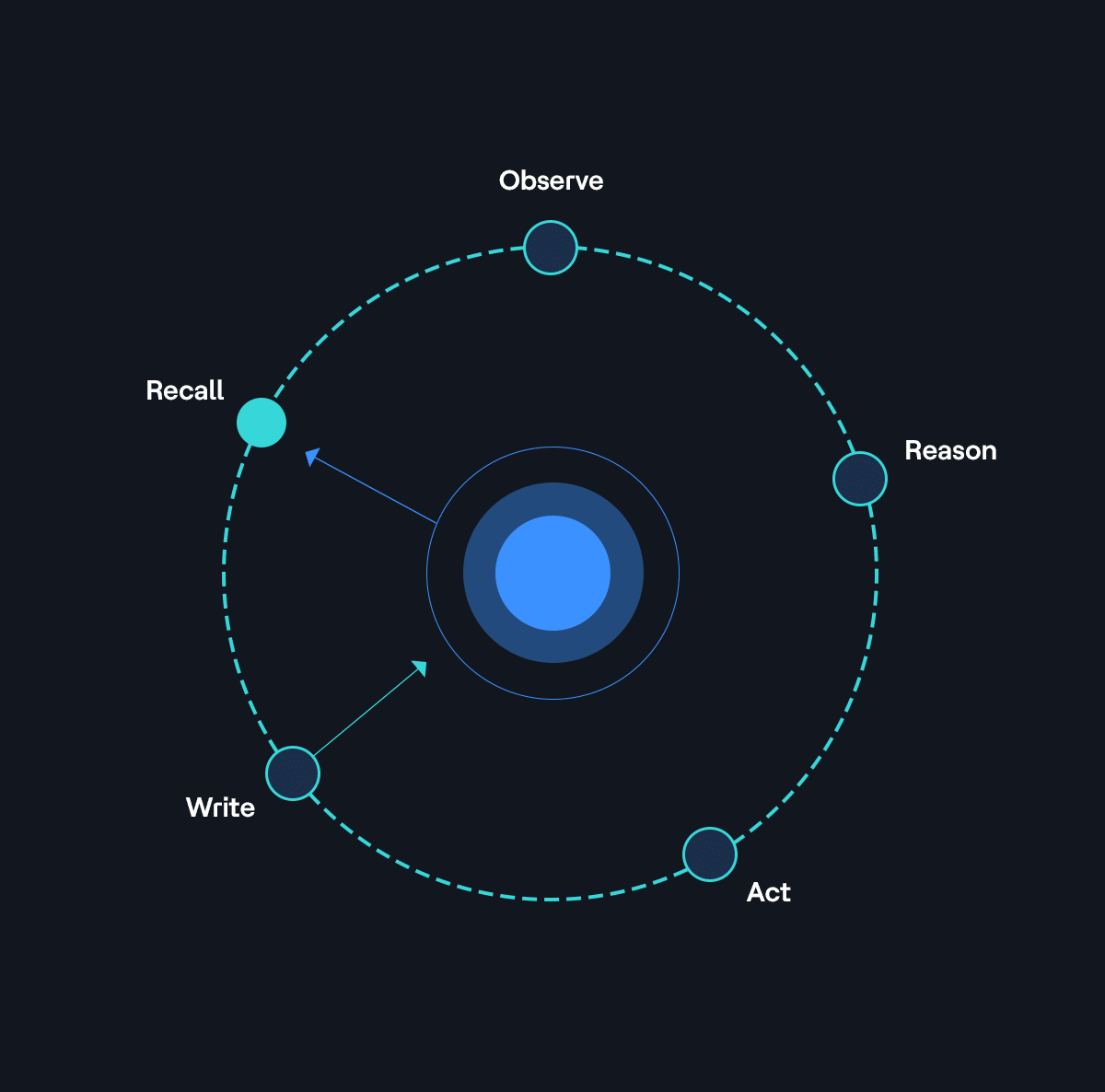
Memory that survives every session
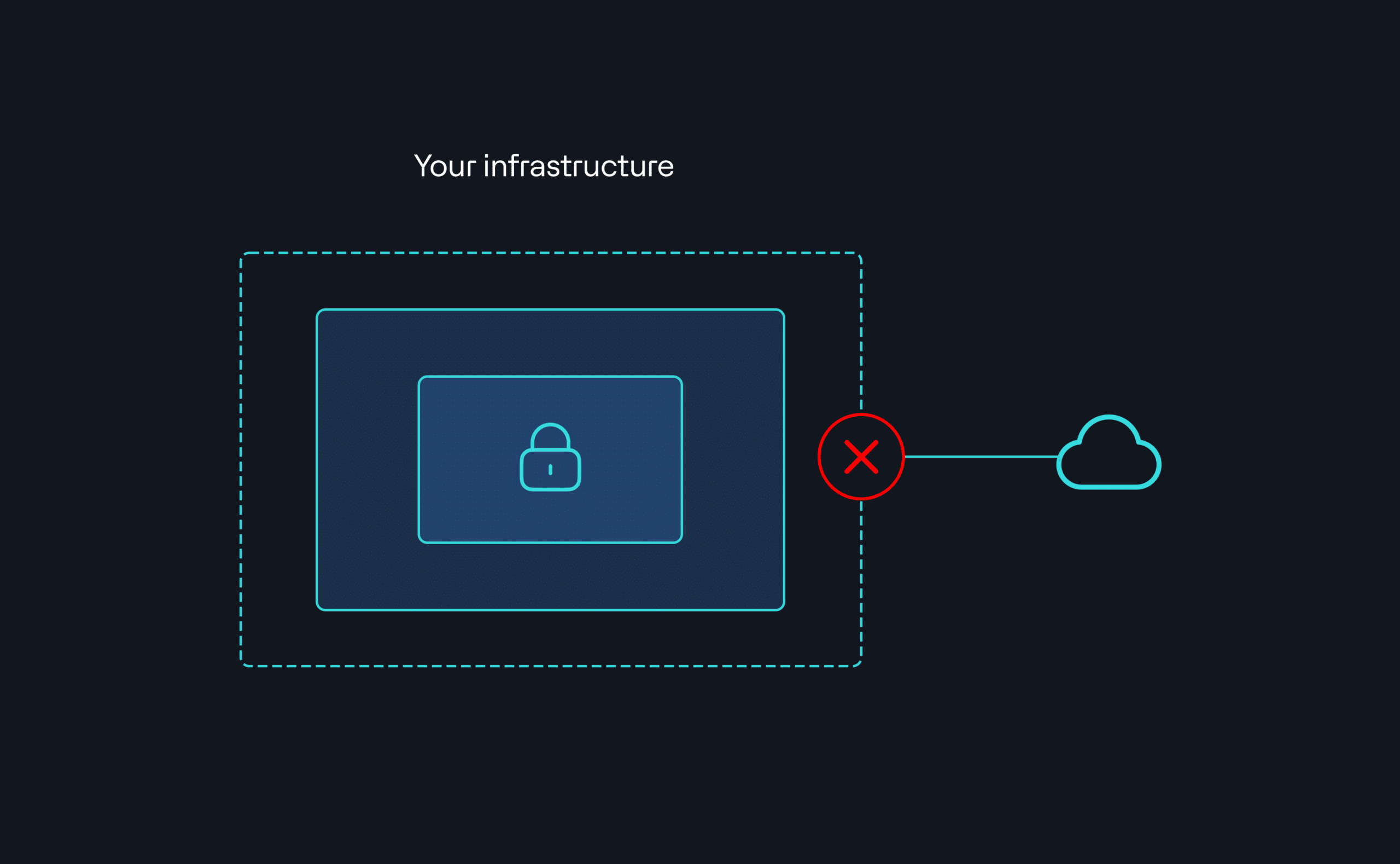
Agents recall context across sessions, at any scale, inside your perimeter.

Monitor it from the tools you already run
Native Prometheus metrics in your existing Grafana dashboards.

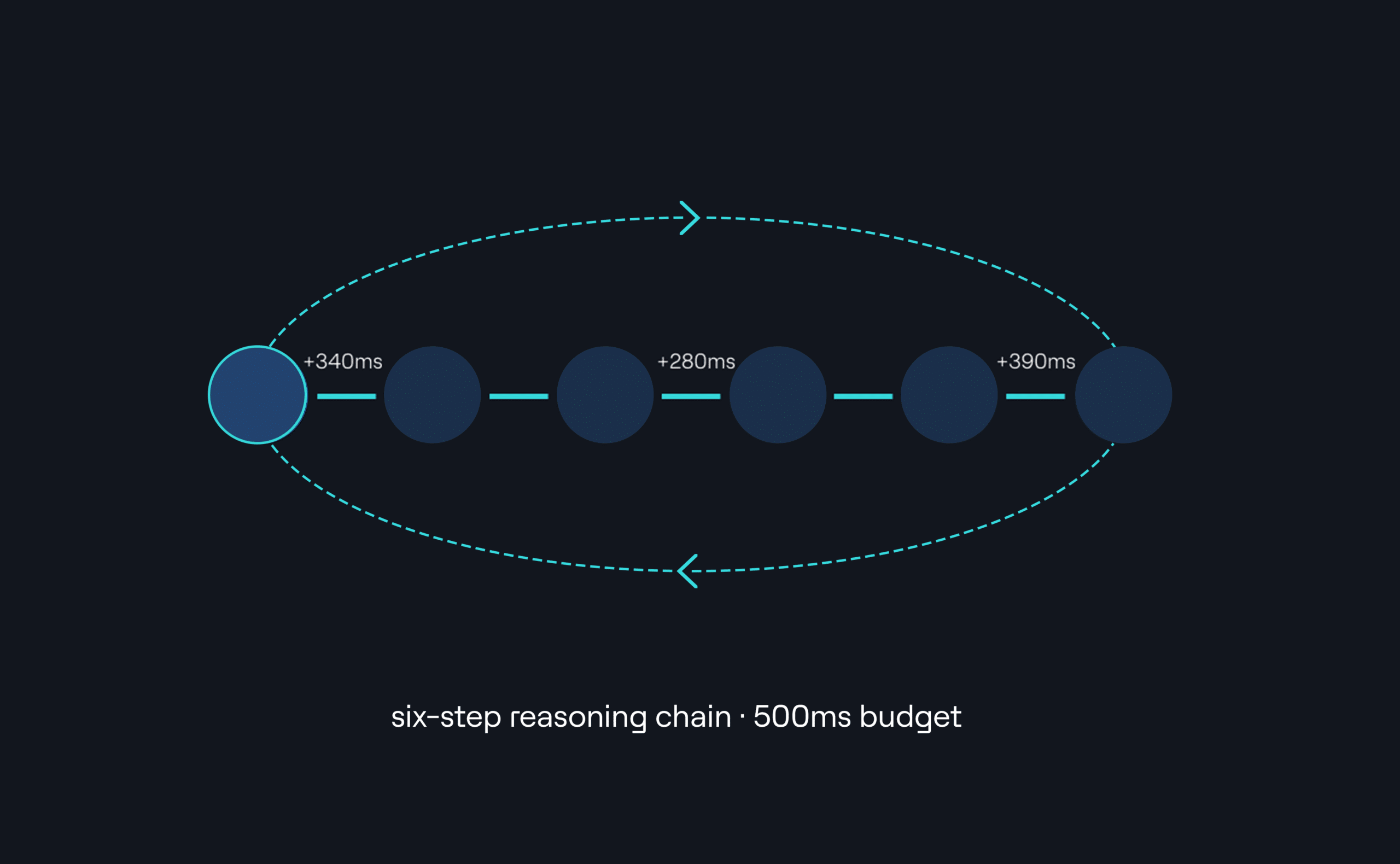
Parallel queries without the slowdown
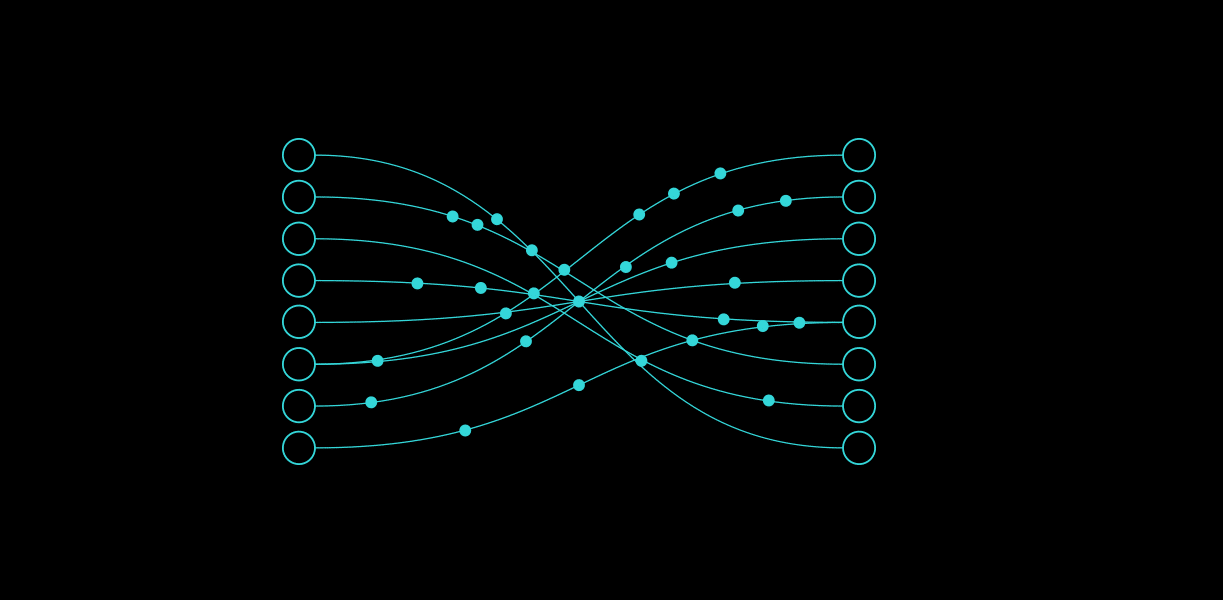
Parallel reasoning steps and memory lookups, recall intact.

Ship the same build everywhere
Laptop to data center with zero rewrites, any hardware.

Pass review without re-architecting
GDPR, HIPAA, and residency hold by where the data sits.

Fit the index to the hardware you have
Pick HNSW or IVF, add quantization, and size the index to the memory you actually have.
Watch VectorAI DB run
Watch a full agent deployment from zero to first query.
Get started with your framework
Drop it into the stack you already work in.
Use the VectorAI DB Python SDK directly for any custom agent stack. You bring the embedding model; VectorAI DB handles storage and search.
# Install
pip install actian-vectorai

from actian_vectorai import VectorAIClient

client = VectorAIClient(host="localhost:8080")
client.create_collection("agent-memory", dim=768)

results = client.query(
  collection="agent-memory",
  vector=embeddings,
  top_k=10
)
Run it however you ship
Python and JavaScript SDKs, a REST API, and a single Docker container that runs the same on a laptop, an edge box, or a Kubernetes cluster.




How VectorAI DB compares
An honest look at where each vector database runs and how it performs. Throughput measured on 10M vectors at 768 dimensions, with identical hardware.
VectorAI DB |
Pinecone |
Qdrant |
Weaviate |
|
|---|---|---|---|---|
Throughput at 10M vectors |
745 QPS |
~33 QPS |
~34 QPS |
Self-hosted varies |
Runs on resource-constrained edge hardware (Jetson, Pi) |
Yes |
No |
Limited |
Limited |
Same API from prototype to production |
Yes |
Cloud-only |
Yes |
Yes |
On-premises and air-gapped deployment |
Yes |
No |
Yes |
Yes |
Fully managed cloud option |
Self-managed |
Yes |
Cloud |
Cloud |
Who builds on VectorAI DB?
Teams shipping applications where the data lives and the network cannot always reach.

Patient data stays inside your perimeter throughout every query.
Deploy to: Hospital DCs, clinic servers, research

Consistent across hybrid, edge, and multi-site infrastructure regardless of connectivity, compliance, or hardware constraints.
Deploy to: Hybrid, edge + cloud, multi-site
FAQ
Actian VectorAI DB is a vector database built for AI agents, giving them persistent memory and low-latency retrieval on infrastructure you own.
Most vector databases were designed for cloud-native deployments and human-scale query patterns. VectorAI DB is built for the concurrent, high-frequency behavior of agent fleets and runs consistently across edge, on-premises, air-gapped, and cloud environments without architecture changes. Pinecone is cloud-only. Qdrant and Weaviate support self-hosted deployment but are designed primarily for cloud-scale workloads, not edge and disconnected environments.
VectorAI DB integrates natively with LangChain, LlamaIndex, and Hugging Face. Python and JavaScript SDKs are available. Community plugins extend support to CrewAI, LangGraph, and Mastra. Full integration docs are at docs.vectoraidb.actian.com.
VectorAI DB delivers 745.2 QPS on 10M vectors at 768 dimensions, more than 22x faster than Milvus and Qdrant on identical hardware. It is built for the parallel, high-frequency query behavior that agent fleets generate, not for the sequential patterns of human-facing applications.
The free tier is the VectorAI DB Community Edition. Free forever, no billing setup. It includes 5K vector capacity, deploys on local development machines, and comes with community support.
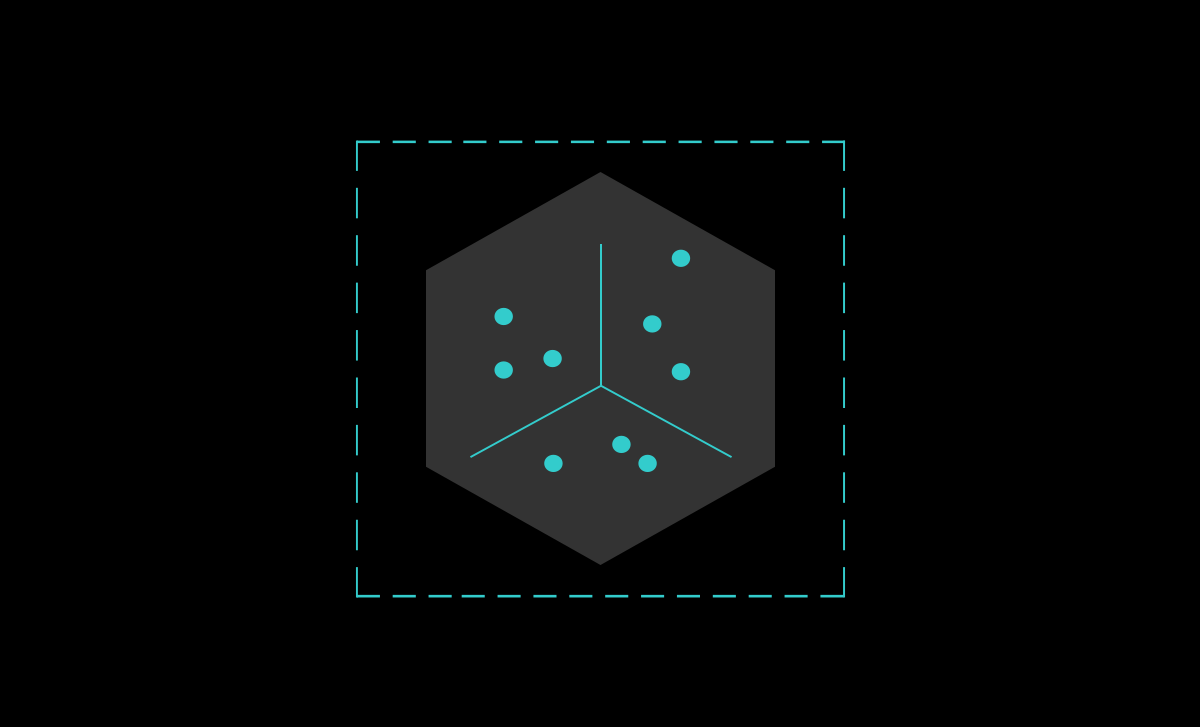
VectorAI DB supports two index types: HNSW (Hierarchical Navigable Small World) and IVF (Inverted File). Both can be paired with vector quantization, which compresses each vector into a smaller representation to reduce the index footprint further.
IVF is not a replacement for HNSW. It is a second option, and the right choice depends on what on your deployment constraints. Use HNSW when recall at low latency is the priority and memory is not the constraint. It is the default for most server-side workloads.
Use IVF when the index has to fit in a smaller footprint, or when the data changes constantly. HNSW’s layered graph costs more memory per vector and is expensive to repair on every insert and delete. IVF’s flat clustered storage uses less memory per vector and its cluster assignments are cheaper to rebuild or partially update.
VectorAI DB is model-agnostic and works with embeddings from any provider: OpenAI, Anthropic, Cohere, Hugging Face, or any custom model you bring.
Yes. VectorAI DB stores vector embeddings from text, images, audio, and video.
Yes. Transact through your existing AWS agreement and draw down committed spend, including EDP commitments, without starting a new vendor review.
Start free, no billing setup
Everything you need to prototype agent memory on your own machine, today.

Billing-free access
Download and start using VectorAI DB immediately. No billing setup required.
Vector indexing and search
ANN indexing (HNSW and IVF), vector quantization, vector search APIs, and monitoring to support prototypes up to 5,000 vector embeddings.
Fast local setup
Install, index data, and run queries in minutes with clear docs, quickstarts, and code samples.