Connected Cloud

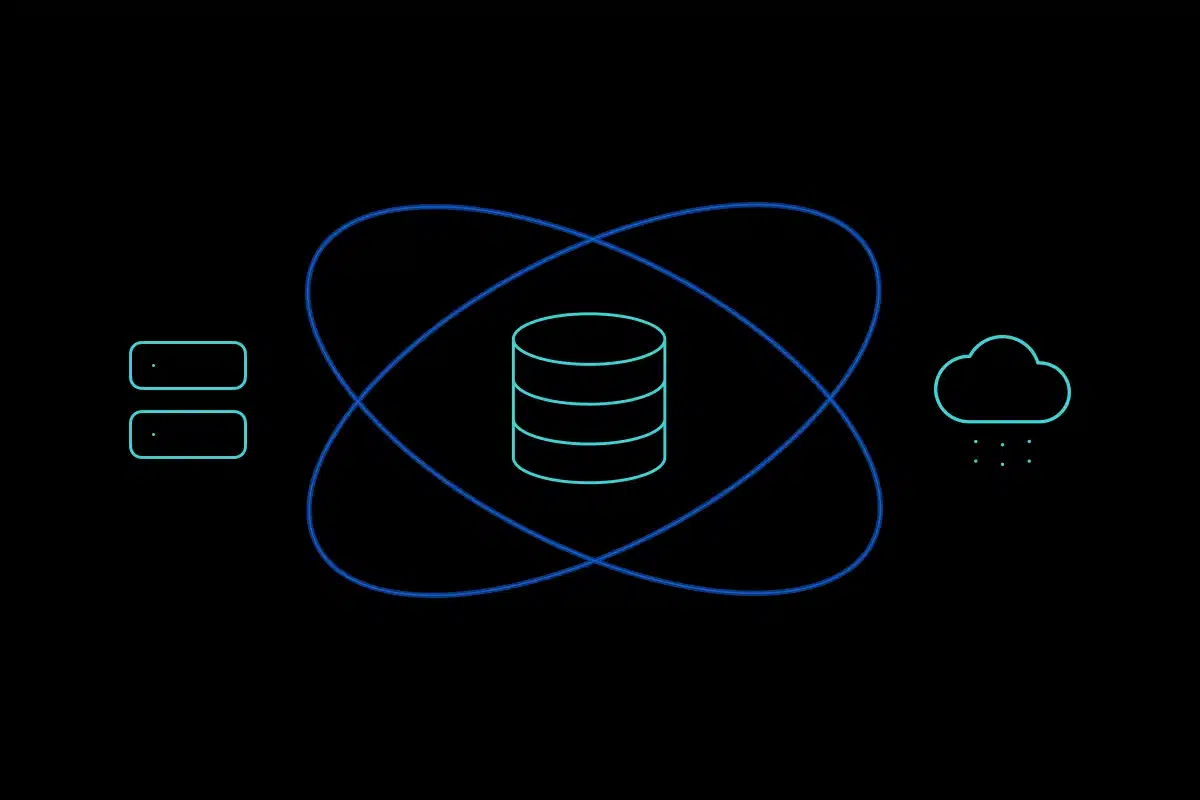
A connected cloud provides multiple functions under a single management umbrella. In a data platform context, these services would include data analysis, storage, and data integration. The Actian Data Platform offers these services. In a multi-cloud enterprise, it is essential to have management tools that span multiple public cloud platforms and on-premises instances for a hybrid cloud architecture.
What are the Benefits
The main benefit of a connected cloud for businesses is that it reduces the administrative effort associated with managing individual resources. Cloud providers bundle services and high-level abstracted interfaces to reduce the effort of managing resources. Developers can build, test, and deploy new applications faster if they are built on connected services. Serverless computing or Function-as-a-Service (FaaS) can be considered the next level of connected cloud in that it removes even more elements to manage.
Key Elements
- Compute is the most basic and elastic resource that cloud providers provision.
- Network services include dedicated VPN-protected connections.
- Service types include infrastructure-as-a-service (IaaS), platforms-as-a-service (PaaS), and software-as-a-service (SaaS).
- Cloud storage for files can be mapped to a file system or abstracted into data blocks, making cloud storage easier to use for developers and more straightforward to manage for a business.
For providers of cloud-based application services, containerization enables them to package their application with everything it needs to run into a single deployment unit. For example, the Actian Data Platform is deployed as containers and microservices on Google Kubernetes Engine (GKE) nodes, Google Cloud Dataproc, and Google Cloud Storage (GCS). This benefits customers through faster instance provisioning.
Implementing Connected Cloud
Many businesses don’t want to be tied to a single cloud platform to maximize flexibility, so it is important to follow a deliberate hybrid cloud strategy. Major cloud providers such as Amazon, Microsoft and Google have their own connected data offerings, but standardizing on a single cloud provider can make it challenging to migrate workloads to other clouds. Selecting a data management platform that provides data analysis and integration services across multiple public cloud platforms maintains cloud independence for a business.
Regulated industries such as finance and healthcare need to keep tight control of sensitive client data they employ on-premises or on private clouds. A hybrid cloud strategy offers the benefit of keeping some data on-premises while making the most of what public clouds have to offer for much of their data. Running data centers is expensive. Businesses can avoid long procurement cycles, capacity planning, and management costs using public cloud platforms that offer resources on demand with subscription pricing.
Connecting Multiple Clouds
One of the great things about cloud-based computing is eliminating the cost and effort of managing and maintaining your own IT infrastructure. The primary advantage of connecting multiple clouds is taking advantage of the latest advances in each cloud provider’s ecosystem. The downside is increasing infrastructure complexity. Using management tools and data services that span multiple clouds mitigates most of the complexity.
Cloud providers are responding to the need for cross-cloud cooperation with initiatives that include creating secure, high-speed connections between cloud platforms and supporting portable applications that can be deployed or migrated across the cloud without refactoring.
Actian and the Data Intelligence Platform
Actian Data Intelligence Platform is purpose-built to help organizations unify, manage, and understand their data across hybrid environments. It brings together metadata management, governance, lineage, quality monitoring, and automation in a single platform. This enables teams to see where data comes from, how it’s used, and whether it meets internal and external requirements.
Through its centralized interface, Actian supports real-time insight into data structures and flows, making it easier to apply policies, resolve issues, and collaborate across departments. The platform also helps connect data to business context, enabling teams to use data more effectively and responsibly. Actian’s platform is designed to scale with evolving data ecosystems, supporting consistent, intelligent, and secure data use across the enterprise. Request your personalized demo.
FAQ
A connected cloud provides multiple functions under a single management umbrella, including data analysis, storage, and data integration, enabling organizations to manage services across hybrid and multi-cloud environments from one interface.
Connected cloud reduces administrative effort by bundling services under high-level abstracted interfaces, allowing developers to build, test, and deploy applications faster while avoiding the costs of managing IT infrastructure.
A connected cloud provides centralized management and a unified interface across multiple cloud platforms, whereas traditional multi-cloud setups often require separate management tools for each platform, increasing administrative overhead.
Management tools and data services that span multiple clouds allow businesses to work across AWS, Azure, Google Cloud, and on-premises infrastructure simultaneously while mitigating infrastructure complexity.
Hybrid cloud allows regulated industries to keep sensitive data on-premises or private clouds while leveraging public cloud benefits, avoiding long procurement cycles, capacity planning, and data center management costs.
Key elements include elastic compute resources, VPN-protected network services, service types like IaaS, PaaS, and SaaS, and cloud storage that can be mapped to file systems or abstracted into data blocks.
Containerization enables providers to package applications with everything needed to run into a single deployment unit, resulting in faster instance provisioning for customers.
Actian Data Intelligence Platform unifies metadata management, governance, lineage, quality monitoring, and automation across hybrid environments through a centralized interface that provides real-time insight into data structures and flows.