
So nutzen Sie KI-Analysen für das Supply Chain Management


Wichtigste Erkenntnisse
- KI-gestützte Lieferkettenanalysen verbessern die Nachfrageprognosen, indem sie Marktsignale in Echtzeit und historische Absatztrends auswerten.
- Maschinelles Lernen Algorithmen optimieren Logistikrouten und Lagerbestände, um betriebliche Verzögerungen und Lagerkosten zu minimieren.
- prädiktive Analyse ermöglicht eine proaktive Risikominderung durch die Vorwegnahme potenzieller Störungen in der Lieferkette und Engpasssituationen.
- Actian bietet eine Infrastruktur für die Datenintegration und -analyse nach dem Prinzip „ High-Performance “, um KI- und „ Maschinelles Lernen “-Modelle in Echtzeit zu unterstützen.
Lieferketten sind komplexer, globaler und datenintensiver geworden als je zuvor. Von der Beschaffung über die Fertigung bis hin zur Logistik und Auslieferung müssen Unternehmen unzählige bewegliche Teile koordinieren – oft über mehrere Regionen, Partner und Systeme hinweg. Gleichzeitig haben Störungen wie Nachfrageschwankungen, Instabilität bei Lieferanten und geopolitische Veränderungen das Lieferkettenmanagement zunehmend unvorhersehbar gemacht.
In diesem Umfeld reichen traditionelle Analyseansätze, die auf statischen Berichten und historischen Daten basieren, nicht mehr aus. Supply-Chain-Teams benötigen schnellere Erkenntnisse, bessere Prognosen und die Möglichkeit, in Echtzeit zu handeln Echtzeit KI-gestützte Analysen bieten.
Die Produktionslücke ist messbar. Laut einer aktuellen BARC-Studie bringen Fertigungsunternehmen mit unternehmensweiten Datenprodukten KI-Projekte 3,4-mal schneller in die Produktion als solche ohne. Unter den Unternehmen mit ausgereiften Datenproduktpraktiken geben 85 % an, drei oder mehr KI-Systeme in der Produktion zu haben; unter denen ohne sind es nur 25 %. Bei „ agentische KI“ – wo Supply-Chain-Teams einen unmittelbaren ROI bei der Nachfrageprognose, der Bestandsoptimierung und der vorausschauenden Wartung verzeichnen – ist der Unterschied noch deutlicher: 77 % der Unternehmen mit unternehmensweiten Datenprodukten haben agentische Systeme implementiert, während 77 % derjenigen, die noch experimentieren, dies nicht getan haben.
KI-Analytik stellt einen neuen Ansatz in der Datenanalyse dar, bei dem künstliche Intelligenz mit traditionellen Analysemethoden kombiniert wird, um tiefgreifendere, schnellere und besser umsetzbare Erkenntnisse zu gewinnen. Für Supply-Chain-Teams bietet sie die Möglichkeit, von einer reaktiven Problemlösung zuEntscheidungsfindung proaktiven, data-driven Entscheidungsfindung überzugehen.
Was ist KI-Analytik?
Der Begriff „KI-Analytik“ bezieht sich auf den Einsatz von Technologien der künstlichen Intelligenz wie beispielsweise Maschinelles Lernen, Verarbeitung natürlicher Sprachesowie fortschrittliche Algorithmen, um Daten zu analysieren, Muster aufzudecken, Erkenntnisse zu gewinnen und Entscheidungen zu unterstützen oder zu automatisieren.
Im Gegensatz zur herkömmlichen Analytik, die stark auf manuelle Prozesse und vordefinierte Abfragen angewiesen ist, bietet die KI-Analytik folgende Vorteile:
- Automatisiert die Datenverarbeitung und -analyse.
- Lernt aus historischen Daten und Echtzeitdaten.
- Erkennt Muster und Anomalien ohne ausdrückliche Anweisungen.
- Unterstützt Prognosen und die Erkennung von Mustern.
- Kann sich verbessern, wenn die Datenmodelle und die Governance weiterentwickelt werden.
Im Wesentlichen verwandelt KI-Analytik Daten von einer passiven Ressource in ein aktives System, das kontinuierlich überwacht, analysiert und Entscheidungsfindung unterstützt.
Warum herkömmliche Analysemethoden in Lieferketten zu kurz greifen
Lieferkettenumgebungen stellen besondere Herausforderungen dar, die mit herkömmlichen Analysemethoden nur schwer zu bewältigen sind.
Über verschiedene Systeme verstreute Daten
Daten zur Lieferkette sind häufig verteilt auf:
- ERP-Systeme.
- Lagerverwaltungssysteme (WMS).
- Transportmanagementsysteme (TMS).
- Lieferantenportale.
Diese Systeme sind selten vollständig integriert, was es erschwert, sich einen umfassenden Überblick über die Betriebsabläufe zu verschaffen.
Verzögerte und statische Berichterstattung
Die herkömmliche Berichterstattung erfolgt in der Regel in festen Zeitabständen, beispielsweise täglich, wöchentlich oder monatlich.
Zum Zeitpunkt der Erstellung der Berichte:
- Möglicherweise haben sich die Umstände inzwischen geändert.
- Die Probleme könnten sich verschärft haben.
- Möglicherweise wurden Chancen verpasst.
Eingeschränkte Vorhersagekraft
Die meisten herkömmlichen Analysemethoden konzentrieren sich auf:
- Was ist passiert?
- Warum es dazu kam.
Doch die Teams in der Lieferkette müssen Folgendes wissen:
- Was wird passieren?
- Was sollen wir dagegen tun?
Mit anderen Worten: Die Vorhersagefähigkeit ist von großer Bedeutung, um im Lieferkettenmanagement flexibel und relevant zu bleiben.
Hohe Komplexität und Variabilität
Zu den Lieferketten gehören:
- Mehrere Variablen (Nachfrage, Angebot, Kosten, Vorlaufzeiten).
- Externe Faktoren (Wetter, geopolitische Ereignisse, Marktveränderungen).
- Prozessübergreifende Abhängigkeiten.
Eine manuelle Analyse kann mit dieser Komplexität kaum Schritt halten.
Wie KI-Analysen Supply Chain verändern
KI-Analysen bewältigen diese Herausforderungen, indem sie intelligentere, schnellere und proaktivere Abläufe in der Lieferkette ermöglichen.
1. Durchgängige Transparenz
KI-Analysen bündeln Daten aus verschiedenen Systemen und bieten so einen einheitlichen Überblick über die Lieferkette.
Dazu gehören:
- Lagerbestände an den verschiedenen Standorten.
- Kennzahlen zur Lieferantenleistung.
- Transportstatus.
- Nachfragesignale.
Das Ergebnis ist oft eine bessere Abstimmung zwischen den Teams, eine schnellere Erkennung und Einstufung von Datenproblemen sowie Entscheidungsfindung verbesserte Entscheidungsfindung.
2. Echtzeit-Überwachung und Warnmeldungen
KI-Systeme können dabei helfen, Anomalien und betriebliche Veränderungen schneller zu erkennen.
Beispiele hierfür sind:
- Plötzliche Bestandsrückgänge.
- Verspätungen bei den Lieferungen.
- Unerwartete Veränderungen der Nachfrage.
Die Auswirkungen:
- Sofortige Benachrichtigung bei Störungen.
- Schnellere Reaktionszeiten.
- Geringeres operatives Risiko.
3. Bedarfsprognose
Mithilfe von KI-Analysen werden historische Daten, saisonale Schwankungen und externe Faktoren herangezogen, um die zukünftige Nachfrage zu prognostizieren.
Es kann Muster und Trends erkennen, Prognosen dynamisch anpassen und Echtzeit-Signale in Abfragen und Antworten einbeziehen.
Für Datenteams im Bereich des Lieferkettenmanagements bedeutet dies:
- Genauere Bedarfsplanung.
- Weniger Lieferengpässe und Überbestände.
- Verbesserte Kundenzufriedenheit.
4. Bestandsoptimierung
Die Bestandsverwaltung ist eine der wichtigsten und komplexesten Herausforderungen in der Lieferkette.
KI-Analysen helfen dabei:
- Ermitteln Sie die optimalen Lagerbestände.
- Angebot und Nachfrage in Einklang bringen.
- Die Lagerkosten senken.
Auf diese Weise können KI-Analysen dazu beitragen, die Lagerkosten zu senken, das Serviceniveau entlang der gesamten Lieferkette zu verbessern und eine bessere Auslastung der Ressourcen zu ermöglichen.
5. Analyse der Lieferantenleistung
KI-Systeme werten Lieferantendaten aus, um die Zuverlässigkeit und Beständigkeit, Schwankungen bei den Lieferzeiten sowie Risikofaktoren zu ermitteln.
Diese Analysen können Teams dabei helfen, bessere Lieferanten auszuwählen, das Risiko von Störungen in der Lieferkette zu verringern und die Beziehungen zu den Lieferanten zu stärken.
6. Vorausschauende Instandhaltung
In der Fertigung und Logistik können Ausfälle von Anlagen den Betrieb beeinträchtigen.
Mithilfe von KI-Analysen lässt sich die Leistung von Anlagen überwachen, potenzielle Ausfälle vorhersagen und Wartungsmaßnahmen empfehlen, bevor es zu schwerwiegenden Zwischenfällen kommt.
Für die Teams im Bereich Supply-Chain-Management bedeutet dies:
- Weniger Downtime.
- Geringere Wartungskosten.
- Gesteigerte betriebliche Effizienz.
7. Optimierung von Transport und Logistik
KI-Analysen verbessern die Logistik durch die Auswertung folgender Aspekte:
- Versandrouten.
- Lieferzeiten.
- Transportkosten.
Es kann optimale Routen vorschlagen, bessere Lastenausgleich bereitstellen und potenzielle Möglichkeiten zur Kosteneinsparung aufzeigen.
Zu den Ergebnissen können gehören:
- Schnellere Lieferungen.
- Geringere Transportkosten.
- Verbesserte Effizienz.
Fähigkeiten KI-Analytik in Lieferketten
Um diese Vorteile zu erzielen, stützt sich die KI-Analytik auf mehrere Fähigkeiten. Dies sind die Fähigkeiten, die Unternehmen berücksichtigen sollten, wenn sie sich für das beste KI-Analytiksystem für ihren Betrieb entscheiden.
Datenintegration und -vereinheitlichung
KI-Systeme führen Daten aus verschiedenen Quellen zusammen und schaffen so einen umfassenden Überblick über die Lieferkette.
Maschinelles Lernen Modelle
Maschinelles Lernen analysieren historische Daten und Echtzeitdaten, um Prognosen und Erkenntnisse zu gewinnen.
Schnittstellen für natürliche Sprache
Nutzer können mithilfe einfacher Fragen mit Daten interagieren und erhalten Antworten, die nicht mit Fachjargon gespickt sind, wodurch Analysen zugänglicher werden.
Automatisierung
KI trägt dazu bei, sich wiederholende Berichts- und Analyseaufgaben auf der Grundlage bereits aufbereiteter Daten zu reduzieren.
Kontinuierliches Lernen
KI-Systeme werden mit der Zeit immer besser, je mehr Daten sie verarbeiten.
Praktische Anwendungsfälle für Supply Chain
KI-Analysen liefern bereits heute einen Mehrwert im praktischen Lieferkettenbetrieb.
Nachfrageerfassung
KI analysiert Echtzeitdaten wie Umsatz, Wetter und Markttrends, um die Nachfrageprognosen dynamisch anzupassen.
Dynamische Nachschubplanung
Die Lagerbestände werden automatisch auf der Grundlage On Demand und der Versorgungslage angepasst.
Risikoerkennung
KI identifiziert potenzielle Störungen, wie zum Beispiel:
- Lieferanteninstabilität.
- Verzögerungen im Verkehr.
- Marktvolatilität.
Optimierung der Kosten
Die KI analysiert Kostentreiber und schlägt Möglichkeiten vor, wie sich die Ausgaben senken lassen, ohne das Serviceniveau zu beeinträchtigen.
Was bei der Implementierung von KI-Analysen zu beachten ist
Zwar bietet die KI-Analytik erhebliche Vorteile, doch kann ihre Umsetzung mit Herausforderungen verbunden sein.
Datenqualität
KI-Systeme sind auf genaue und konsistente Daten angewiesen. Die Qualität der Daten eines Unternehmens ist von größter Bedeutung.
Komplexität der Integration
Die Vernetzung mehrerer Systeme erfordert eine robuste Infrastruktur. Zu diesen Systemen können Data Warehouses, Cloud Speicher, externe Server usw. gehören.
Änderungsmanagement
Teams müssen sich an neue Tools und Arbeitsabläufe anpassen. Ohne geeignete Data Governance können Teams mit neuen Tools, neuen Datenformaten und anderen Schwierigkeiten zu kämpfen haben.
Vertrauen und Transparenz
Die Nutzer müssen die von KI generierten Erkenntnisse verstehen und ihnen vertrauen können. Aus diesem Grund stützen sich die besten KI-Analyseplattformen bei ihren Ergebnissen auf geregelte semantische Ebenen und Beständigkeit.
Nutzen Sie Actian AI Analyst, um Lieferketten effizienter zu gestalten
KI-Analytik stellt einen grundlegenden Wandel in der Art und Weise dar, wie Supply-Chain-Teams Daten nutzen. Durch die Kombination aus fortschrittlichen Algorithmen, Automatisierung und Echtzeitanalysen ermöglicht sie es Unternehmen, den Schritt von der reaktiven Berichterstattung hin zuEntscheidungsfindung proaktiven, data-driven Entscheidungsfindung zu vollziehen.
Für die Teams in der Lieferkette liegen die Vorteile auf der Hand:
- Verbesserte Transparenz und Koordination.
- Schnellere Reaktion auf Störungen.
- Genauere Prognosen und Planung.
- Höhere Effizienz und Kosteneinsparungen.
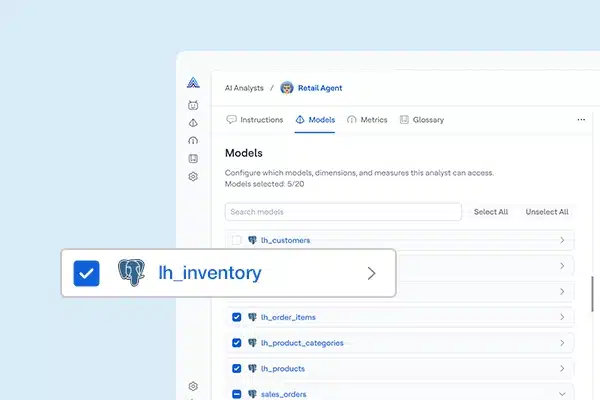
Actian AI Analyst lässt sich in Ihre bestehenden Systeme integrieren und unterstützt die Konversationsanalyse auf der Grundlage festgelegter Definitionen und einer einheitlichen Logik.

Bleiben Sie in Verbindung
Datenanalysen direkt bei Ihnen.
(z. B. sales@..., support@...)
