
Why Include Data Observability in Your Data Management Strategy
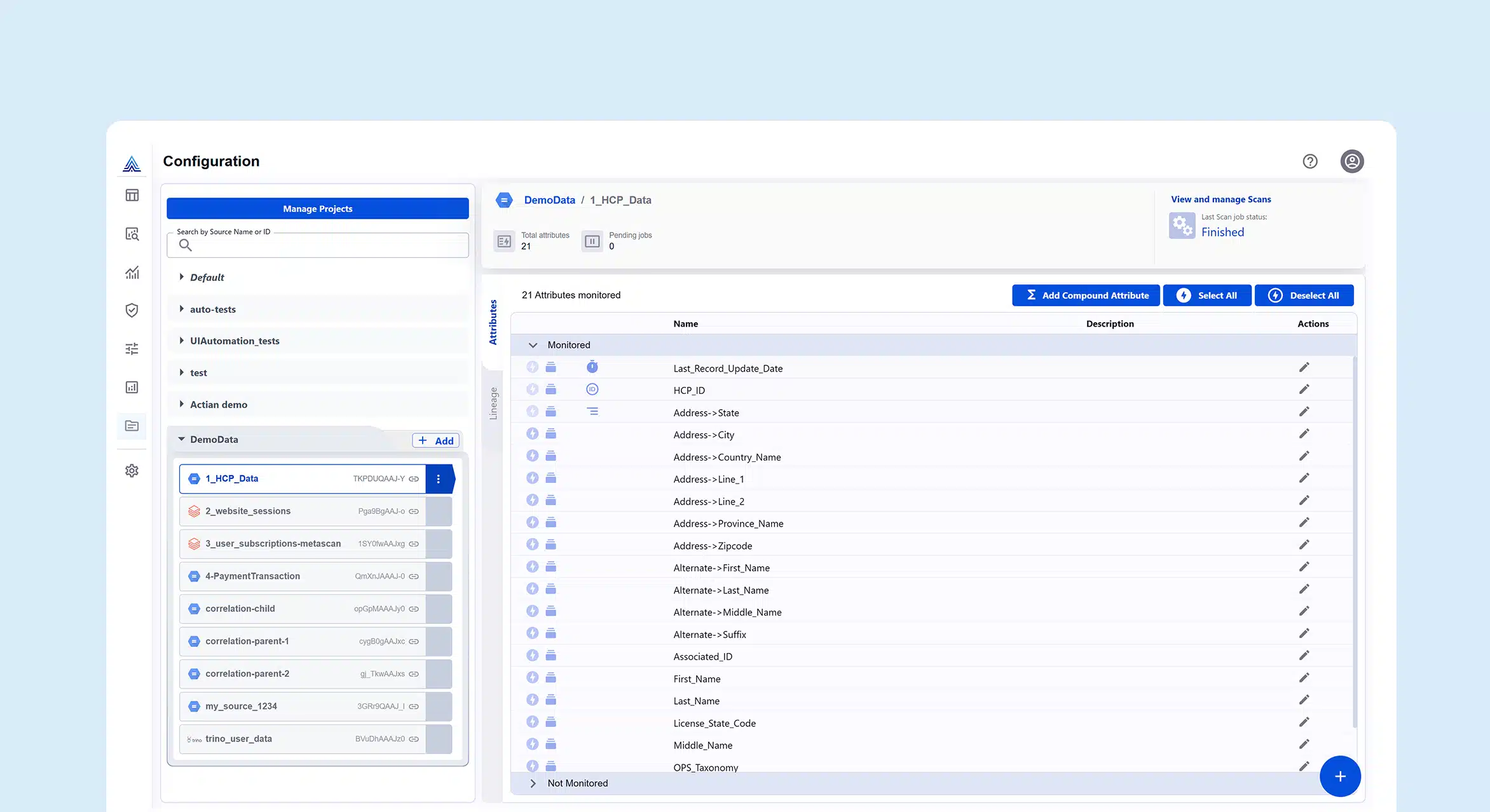


In a global economy where data drives every decision, product, and customer experience, the stakes for data reliability and quality have never been higher. As organizations grapple with the complexity of their data ecosystems, it becomes increasingly challenging to ensure that data is accurate, timely, and trustworthy. This is where data observability becomes an indispensable and foundational element for any modern data management strategy.
What is Data Observability?
Data observability is the ability to gain insights and understand the behavior, quality, and performance of data as it flows through systems and processes. This involves comprehensive, continuous monitoring, tracking, and analysis of data in real time to ensure its reliability, accuracy, and compliance with standards.
Organizations today often operate with a mix of legacy databases, cloud services, real-time streams, and third-party data sources. This diversity introduces challenges such as:
- Data silos and fragmented visibility.
- Increased risk of data quality issues.
- Difficulty tracing the root cause of data errors.
- Greater regulatory and compliance demands.
As data volumes and sources multiply, manual monitoring and ad hoc quality checks simply cannot keep pace. The result is a growing gap between organizations’ data and the value they can reliably extract from it.
The Case for Data Observability
The top five reasons for including data observability in a data strategy are:
- Proactive Issue Detection and Resolution
Data observability enables early identification of anomalies, missing values, duplicate records, and inconsistent formats–often before they impact downstream analytics or business processes. Automated alerts and anomaly detection allow teams to address issues in real time, minimizing the risk of costly disruptions and ensuring that data remains a valuable asset, not a liability.
- Enhanced Trust and Data Quality
Trust in data is the bedrock of data-driven decision-making. Data observability provides continuous monitoring and validation, helping organizations maintain high standards of data quality and integrity. This instills confidence across teams and stakeholders, empowering them to rely on data for critical business decisions.
- Improved Operational Efficiency
By automating data monitoring, lineage tracking, and root cause analysis, data observability reduces the time and effort required to maintain data quality. Teams spend less time firefighting and more time on strategic initiatives, leading to increased productivity and faster innovation.
- End-to-End Visibility and Collaboration
Data observability offers a unified view of the entire data landscape, breaking down silos and enabling better collaboration among data engineers, analysts, and business users. Shared dashboards and transparent reporting foster a culture of accountability and continuous improvement.
- Compliance and Security
For organizations in regulated industries, data observability helps ensure that data meets standards for accuracy, consistency, and security. Continuous monitoring and audit trails make it easier to demonstrate compliance and protect sensitive information.
Key Benefits at a Glance
| Benefit | Description |
| Proactive Issue Detection | Identifies and resolves data issues before they impact business operations. |
| Enhanced Data Quality | Maintains high standards of accuracy, completeness, and reliability. |
| Operational Efficiency | Automates monitoring and troubleshooting, reducing manual workloads and downtime. |
| Improved Collaboration | Provides a single source of truth, enabling cross-team visibility and cooperation. |
| Regulatory Compliance | Supports data governance and auditability for industry regulations. |
| Resource Optimization | Identifies bottlenecks and inefficiencies, improving system performance and cost management. |
Beyond the technical benefits, data observability has a profound impact on the people who interact with data every day:
- Reduced Burnout: Automated monitoring and faster troubleshooting free up data teams to focus on innovation rather than constantly firefighting data quality issues.
- Empowered Decision-Makers: Reliable, high-quality data enables business users to make informed choices with confidence.
- Stronger Data Culture: Transparency and shared responsibility for data health foster a collaborative and data-driven organizational culture.
Data Observability: A Strategic Imperative
Data observability has moved from the wish list to the must-have column for any organization serious about unlocking real value from its data. Industry experts and analysts now consider it foundational for supporting modern data architectures and enabling advanced analytics and AI.
As data continues to fuel innovation, organizations that invest in comprehensive data observability will be better positioned to:
- Accelerate digital transformation.
- Drive operational excellence.
- Deliver superior customer experiences.
- Stay ahead of regulatory and security challenges.
Getting Started With Data Observability
To embed data observability into data management strategies, organizations should follow these five steps:
- Assess Their Data Landscape: Identify critical data assets, pipelines, and pain points.
- Define Success Metrics: Establish clear goals for data quality, reliability, and operational efficiency.
- Leverage Automation: Implement tools and frameworks for automated monitoring, alerting, and root cause analysis.
- Foster Collaboration: Encourage cross-functional teams to use shared dashboards and insights for continuous improvement.
- Iterate and Improve: Treat data observability as an ongoing process, regularly reviewing and refining your approach as data needs evolve.
In an era where data is the foundation of business success, data observability stands out as a non-negotiable element of effective data management. It ensures that data remains accurate, reliable, and actionable – fueling better decisions, greater innovation, and sustainable growth.
Organizations that prioritize data observability will mitigate risks and reduce costs and unlock new opportunities for value creation in an increasingly data-driven world. Now is the time to make data observability a central pillar of a data management strategy.
Read Actian’s Data Observability Checklist to learn more about what to look for when selecting an observability solution for your organization.

Stay connected
Data insights delivered to you.
(i.e. sales@..., support@...)
