
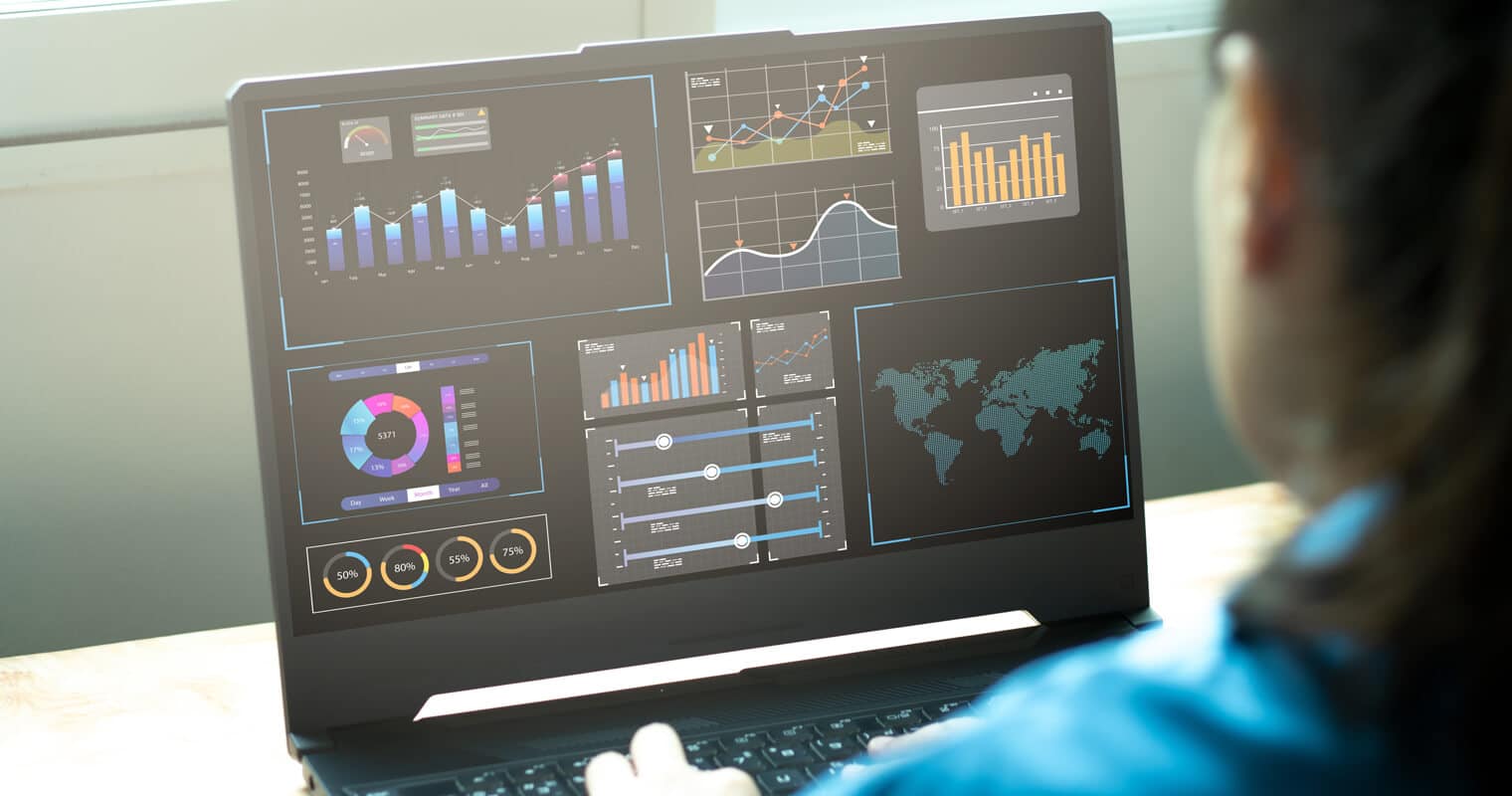
El análisis operativo utiliza datos en tiempo real para impulsar decisiones empresariales que permiten a una organización responder a los cambios actuales.
¿Por qué es importante el análisis operativo?
El análisis operativo mejora la toma de decisiones al proporcionar información actualizada sobre el negocio. Las decisiones basadas en datos obsoletos tienen menos probabilidades de ser eficaces. El análisis operativo utiliza datos actuales para identificar tendencias que pueden extrapolarse al futuro, con el fin de explorar diferentes escenarios antes de decidir un plan de acción. Las empresas operan en un entorno dinámico en el que los competidores pueden modificar los precios o las tácticas, y los clientes pueden cambiar sus hábitos de compra sin previo aviso. Ser consciente de estos cambios permite a una empresa responder mejor a ellos. La inversión en información operativa se justifica por la mejora de los resultados que se deriva de una toma de decisiones más fundamentada.
Uso de la analítica operativa
A continuación se presentan algunos ejemplos del impacto del análisis en tiempo real en diversos sectores.
Gemelos digitales
Los gemelos digitales analizan los datos de los sistemas operativos para verificar que funcionan dentro de las especificaciones predefinidas. Por ejemplo, en ingeniería, el control de calidad garantiza que los productos funcionen dentro de tolerancias muy estrictas. Los sensores pueden detectar desviaciones y realizar ajustes en tiempo real, o bien alertar a los operadores de posibles problemas antes de que se produzca una parada o un fallo.
Cadenas de suministro del sector manufacturero
La gestión del suministro de materias primas y piezas es fundamental para los fabricantes, ya que las líneas de producción se detienen cuando se interrumpe el suministro de material. Mantener los contenedores de suministro abastecidos depende de una compleja cadena de actividades. En una fábrica de automóviles, cada contenedor de piezas tiene un nivel de reposición definido. Cuando se alcanza ese nivel, se activa una alerta que se envía al almacén. Si el almacén tiene capacidad limitada, la alerta se transmite a un sistema de gestión de patio que solicita que se envíe un camión con las piezas adecuadas hasta la puerta de la fábrica. Muchas instalaciones utilizan una geovalla para realizar un seguimiento en tiempo real de las entregas entrantes, de modo que el reabastecimiento de piezas se prioriza en función de la demanda.
Operaciones minoristas
Los minoristas pueden utilizar el análisis operativo para predecir qué productos deben tener en stock en función de la demanda de los clientes. Se analiza la gama de productos en las cajas para comprender mejor qué existencias deben mantener. Analizar el éxito o el fracaso de las promociones en curso ayuda a introducir cambios operativos para subsanar los fallos y potenciar las promociones exitosas. Los minoristas también pueden analizar las publicaciones en las redes sociales para comprender cómo se perciben los productos.
Ventas y marketing
El análisis operativo desempeña un papel fundamental en las ventas y el marketing. El recorrido del cliente se planifica minuciosamente, comenzando por un estudio de palabras clave para identificar a los compradores potenciales en función de los términos de búsqueda. Las páginas de destino invitan a los compradores anónimos a interactuar y a facilitar su nombre y dirección de correo electrónico, y se lanzan campañas de correo electrónico para informar y captar aún más a los clientes potenciales. Las pruebas A/B ayudan a determinar los asuntos de correo electrónico más atractivos antes de realizar un envío masivo. Del mismo modo que el departamento de marketing ajusta sus mensajes salientes, el de ventas prueba simultáneamente diferentes mensajes de voz y llamadas salientes para entablar una conversación. Ambos departamentos utilizan métricas de rendimiento en tiempo real para medir el éxito y realizar los ajustes necesarios.
Servicios de transporte a demanda
El sector del transporte a demanda es un negocio en constante evolución que depende en gran medida del análisis operativo y de los datos en tiempo real. Los servidores centrales conocen en todo momento su cobertura en las distintas zonas geográficas. Supongamos que en una zona hay una gran demanda y escasez de conductores disponibles. En ese caso, se activa una promoción de aumento de tarifas para atraer a más conductores al centro de la ciudad o al aeropuerto. Por ejemplo, al finalizar una conferencia, el pico de demanda se refleja en la aplicación de los conductores, de modo que estos saben adónde dirigirse para ganar más dinero y reducir el tiempo de espera de los pasajeros.
Ventajas del análisis operativo
- Mayor eficiencia: Las decisiones operativas basadas en datos actualizados son más eficaces.
- Mayor confianza: Tomar decisiones basadas en datos aumenta la confianza y reduce el riesgo de adoptar decisiones operativas poco fundamentadas.
- Menor riesgo: Justificar una decisión basándose en datos reales puede reducir el impacto negativo de una decisión tomada únicamente en base a la intuición.
- Mejor colaboración: Los paneles de inteligencia empresarial (BI) son fáciles de compartir con las partes interesadas y ayudan a alcanzar un consenso. Compartir información en toda la empresa potencia el éxito y permite que los demás aprendan de los errores.
Los retos del análisis operativo
El sector ha pasado de los informes diarios a los datos en tiempo real. Configurar fuentes de datos en tiempo real puede resultar complejo. El procesamiento de datos en tiempo real conlleva un coste operativo en términos de recursos. El aumento de la popularidad del análisis de datos en tiempo real es una prueba de su valor para las empresas. Tecnologías como la computación en la nube, el almacenamiento a bajo coste y los canales de transmisión abiertos han mitigado muchos de los retos económicos que impedían una adopción más generalizada.
Plataforma de inteligencia de datos y análisis operativo de Actian
La plataformaActianData Intelligenceha sido diseñada específicamente para ayudar a las organizaciones a unificar, gestionar y comprender sus datos en entornos híbridos. Reúne la gestión de metadatos, la gobernanza, el linaje, el control de calidad y la automatización en una única plataforma. Esto permite a los equipos saber de dónde proceden los datos, cómo se utilizan y si cumplen los requisitos internos y externos.
A través de su interfaz centralizada, Actian ofrece información en tiempo real sobre las estructuras y los flujos de datos, lo que facilita la aplicación de políticas, la resolución de problemas y la colaboración entre departamentos. La plataforma también ayuda a vincular los datos con el contexto empresarial, lo que permite a los equipos utilizarlos de forma más eficaz y responsable. La plataforma de Actian está diseñada para adaptarse a los ecosistemas de datos en constante evolución, lo que garantiza un uso coherente, inteligente y seguro de los datos en toda la empresa.Solicita tu demostración personalizada.
Preguntas frecuentes
El análisis operativo utiliza datos en tiempo real para impulsar decisiones empresariales que permiten a una organización responder a los cambios actuales en el entorno empresarial.
El análisis operativo mejora la toma de decisiones al proporcionar información actualizada sobre el negocio, lo que permite a las organizaciones responder de manera eficaz a los cambios en los precios de la competencia, sus estrategias y los hábitos de compra de los clientes.
El análisis tradicional se basa en datos históricos para diseñar estrategias futuras, mientras que el análisis operativo utiliza datos actuales y en tiempo real para identificar tendencias y explorar diferentes escenarios antes de decidir el curso de acción a seguir.
Entre las principales ventajas se incluyen una mayor eficiencia gracias a la toma de decisiones basada en datos, una mayor confianza en la toma de decisiones, una reducción del riesgo al depender menos de la mera intuición y una mejor colaboración gracias a los paneles de BI, que se pueden compartir fácilmente.
El análisis operativo se utiliza en diversos sectores, entre ellos la industria manufacturera (gestión de la cadena de suministro), el comercio minorista (gestión de existencias y promociones), las ventas y el marketing (optimización del recorrido del cliente), la ingeniería (gemelos digitales) y los servicios de transporte compartido (fijación de precios en función de la demanda).
La configuración de fuentes de datos en tiempo real puede resultar compleja y el procesamiento de datos en tiempo real conlleva costes operativos, aunque la computación en la nube, el almacenamiento más económico y los estándares abiertos de transmisión han reducido muchas de las barreras para su adopción.
En el sector manufacturero, el análisis operativo gestiona las cadenas de suministro mediante la supervisión de los contenedores de piezas, la activación de alertas en el almacén cuando se alcanzan los niveles de reposición y el seguimiento en tiempo real de las entregas entrantes mediante geovallas, con el fin de priorizar las piezas en función de la demanda.
Los equipos de ventas y marketing utilizan el análisis operativo para optimizar el recorrido del cliente mediante el estudio de palabras clave, pruebas A/B de los asuntos de los correos electrónicos y métricas de rendimiento en tiempo real, con el fin de medir el éxito y ajustar las campañas según sea necesario.