
Was die Datenereignisse von heute über die Prioritäten der Unternehmen von morgen verraten
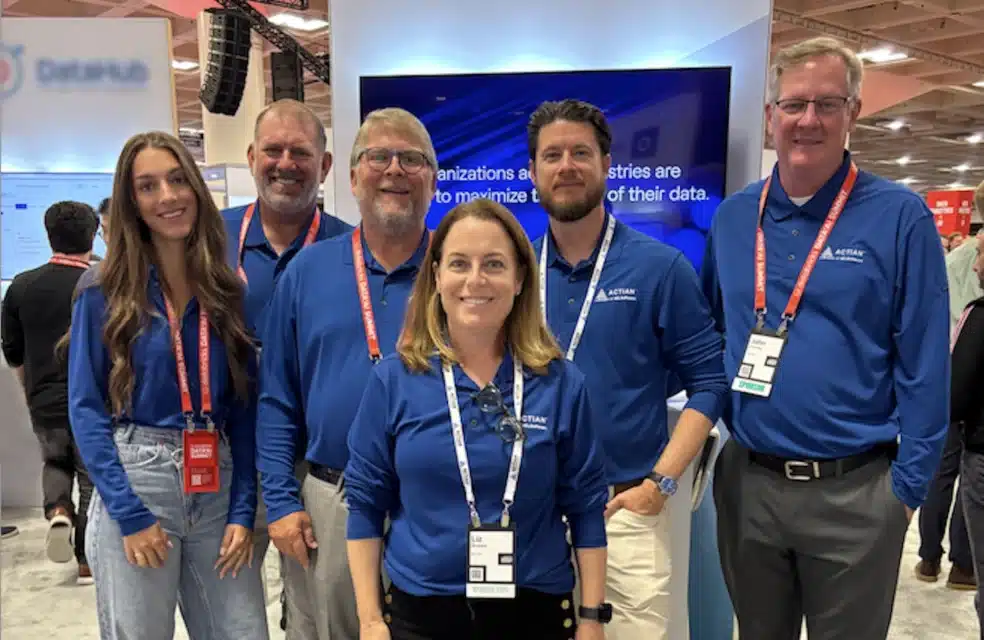


Nach der Teilnahme an mehreren Branchenveranstaltungen in den letzten Monaten - vom Gartner® Data & Analytics Summit in Orlando über den Databricks Data + AI Summit in San Francisco bis hin zu regionalen Konferenzen - ist klar, dass sich einige Themen für Unternehmen aller Branchen durchsetzen. Zum Beispiel ist künstliche Intelligenz (KI) nicht mehr nur ein Schlagwort, das in Gesprächen auftaucht - sie ist das Gesprächsthema.
Zugegeben, wir haben in den letzten Jahren immer wieder von KI und GenAI gehört, aber die Präsentationen, Messestände, Sitzungen und Diskussionen auf Veranstaltungen haben sich schnell weiterentwickelt, da Unternehmen nun konkrete Anwendungsfälle implementieren. Es überrascht nicht, dass die Einführung von KI-Anwendungsfällen zumindest für diejenigen unter uns, die sich während ihrer gesamten Laufbahn für Datenqualität im großen Maßstab eingesetzt haben, eine bekannte, aber wachsende Herausforderung mit sich gebracht hat. Diese Herausforderung besteht darin, Datenqualität und Governance für die extrem großen Datenmengen zu gewährleisten, die Unternehmen für KI und andere Anwendungen verwalten.
Als jemand, der das Glück hat, viel Zeit mit Daten- und Unternehmensleitern auf Konferenzen zu verbringen, habe ich einen Sitz in der ersten Reihe, um zu erfahren, was in den Datenökosystemen der Unternehmen ankommt und was sie noch immer frustriert. Hier sind fünf wichtige Erkenntnisse:
1. KI hat ein Datenproblem, und jeder weiß es
Bei jeder Veranstaltung, an der ich in letzter Zeit teilgenommen habe, kam ein vertrauter Satz immer wieder zur Sprache: "Garbage in, garbage out". Unternehmen sind begeistert vom Potenzial der künstlichen Intelligenz, aber sie machen sich Sorgen um die Qualität der Daten, mit denen ihre Modelle gespeist werden. Wir sprechen nicht mehr nur über die Entwicklung und Feinabstimmung von Modellen, sondern auch über die Bereitschaft, insbesondere darüber, wie sichergestellt werden kann, dass die Daten sauber, kontrolliert und KI-fähig sind, um verlässliche Ergebnisse zu erzielen.
"Garbage in, garbage out" ist ein altes Sprichwort, aber es trifft auch heute noch zu, vor allem, wenn Unternehmen versuchen, KI in ihrem gesamten Unternehmen zu optimieren. Die Verantwortlichen für Daten und Analysen betonen die Bedeutung von Data Governance, Metadaten und Vertrauen. Sie haben erkannt, dass Probleme mit der Datenqualität schnell zu großen Problemen führen können, deren Behebung zeitaufwändig und teuer ist. Tatsache ist, dass alle in KI investieren oder investieren wollen. Jetzt gilt es sicherzustellen, dass sich diese Investitionen auszahlen, was qualitativ hochwertige Daten erfordert.
2. Alte Datenherausforderungen sind jetzt größer und bewegen sich schneller
Themen wie Data Governance und Datenqualität sind nicht neu. Der Unterschied besteht darin, dass sie sich durch den Umfang und die Geschwindigkeit der heutigen Unternehmensdatenumgebungen vergrößert haben. Wenn vor fünfzehn Jahren etwas mit einer Datenpipeline schief ging, war vielleicht ein Bericht verspätet. Heute kann sich ein Datenqualitätsproblem auf Dutzende von Systemen auswirken, Kundenerfahrungen in Echtzeit beeinträchtigen und KI auf fehlerhaften Eingaben trainieren . Mit anderen Worten: Probleme skalieren.
Data Observability ist daher unverzichtbar. Nur die Überwachung der Infrastruktur reicht nicht mehr aus. Unternehmen benötigen eine durchgängige Sichtbarkeit der Datenströme, der Datenreihenfolge, der Qualitätsmetriken und der Anomalien. Und sie müssen Probleme entschärfen, bevor sie sich nachgelagert auswirken und Störungen verursachen. Bei Actian haben wir gesehen, dass Funktionen für die Daten-Beobachtbarkeit, u. a. Echtzeitwarnungen, benutzerdefinierte Metriken und native Integration mit Tools wie JIRA, bei den Kunden auf große Resonanz stoßen. Unternehmen sind gut beraten, Probleme nicht nur im Nachhinein zu beheben, sondern sollten diese proaktiv und frühzeitig im Lebenszyklus der Daten erkennen und lösen.
3. Metadaten ist der unbesungene Held der Data Intelligence
Während KI und Observability auf Konferenzen strahlend im Mittelpunkt stehen, steigen dieMetadaten eher unauffällig zu einem der prägendsten Merkmale auf. Überraschenderweise stand die Verwaltung von Metadaten bei den meisten Veranstaltungen, die ich besucht habe, nicht im Vordergrund. Allerdings sollte dem so sein. Metadaten bieten den Kontext, die Rückverfolgbarkeit und die Durchsuchbarkeit, die Datenteams benötigen, um verantwortungsvoll zu skalieren und vertrauenswürdige Datenprodukte zu liefern.
Mit der Actian Data Intelligence Platform zum Beispiel werden alle Metadaten durch einen föderierten Wissensgraphen verwaltet. Die Plattform ermöglicht eine intelligente Datennutzung durch integrierte Metadaten, Governance und KI-Automatisierung. Ganz gleich, ob ein Nutzer nach einem Datenprodukt sucht oder ein Datenverwalter die Abstammung und den Zugriff verwaltet, Metadaten machen das Datenökosystem intelligenter und einfacher zu nutzen.
4. Datenintelligenz ist auf dem Vormarsch
Ich habe festgestellt, dass die Anbieter immer häufiger von "Datenintelligenz" sprechen. Sie wird zunehmend als Teil moderner Plattformen diskutiert, und das aus gutem Grund. Data Intelligence bringt Katalogisierung, Governance und Zusammenarbeit auf eine Weise zusammen, die sowohl für IT- als auch für Business-Teams von Vorteil ist.
Auch wenn andere Anbieter in diesen Bereich einsteigen, glaube ich, dass der Wettbewerbsvorteil von Actian in unserer Einfachheit und Scalability liegt. Wir bieten intuitive Tools für die Datenexploration, flexible Katalogmodelle und gebrauchsfertige Datenprodukte, die durch Datenverträge abgesichert sind. Das sind nicht nur Funktionen. Es sind Business Enabler, die es Anwendern aller Qualifikationsstufen ermöglichen, schnell und einfach auf die Daten zuzugreifen, die sie benötigen.
5. Die Kultur des Datenzugangs ändert sich
Eine der interessantesten Entwicklungen, die mir aufgefallen ist, ist ein Spannungsverhältnis – wenn nicht gar ein Konflikt – zwischen der Demokratisierung von Daten und dem Datenschutz. Chief Data Officers und Datenverwalter Teams durch Self-Service mehr Handlungsspielraum geben, müssen aber gleichzeitig sicherstellen, dass sensible Informationen geschützt sind.
Die neue Denkweise ist nicht "alle Daten für jeden öffnen" oder "alles sperren", sondern ein strategischer Ansatz, der eine intelligente Zugriffskontrolle ermöglicht. Ein Marketingspezialist braucht zum Beispiel keinen Zugriff auf die Telefonnummern seiner Kunden, ein Vertriebsmitarbeiter hingegen schon. Die Ermöglichung einer granularen Kontrolle des Datenzugriffs auf der Grundlage von Rollen und Kontext, bis hinunter zur Zeilen- und Spaltenebene, hat höchste Priorität.
Datenintelligenz ist mehr als nur ein Trend
Einige der aussagekräftigsten Erkenntnisse, die ich auf Veranstaltungen gewinne, ergeben sich aus unstrukturierten, persönlichen Gesprächen. Ob beim Abendessen mit Kunden oder bei einem Gespräch mit einem Fremden vor einer Präsentation - diese Momente helfen uns zu verstehen, was für Unternehmen wirklich wichtig ist.
Auch wenn KI derzeit das Hauptthema ist, steht fest: Datenintelligenz wird darüber entscheiden, wie gut Unternehmen die Versprechen durch die KI tatsächlich einlösen können. Das bedeutet, dass Datenqualität, Vertrauen, Beobachtbarkeit, Zugriff und Governance Vorrang haben müssen, und das alles auf der Grundlage von umfangreichen Metadaten. Letztendlich beginnt der Aufbau eines intelligenten, KI-fähigen Unternehmens mit etwas, das auf den ersten Blick einfach scheint: besseren Daten.
Wenn ich auf Veranstaltungen bin, ermutige ich die Teilnehmer, die Actian besuchen, eine Produkttour zu machen. Denn wenn Datenverantwortliche erst einmal sehen, was vertrauenswürdige, intelligente Daten leisten können, ändert sich die Art, wie sie über Daten, Anwendungsfälle und Ergebnisse denken.





Bleiben Sie in Verbindung
Datenanalysen, die Ihnen geliefert werden.
(z. B. sales@..., support@...)
