
La búsqueda basada en agentes es un paradigma emergente que transforma la forma en que los sistemas descubren, interpretan y actúan sobre la información. A diferencia de los métodos de búsqueda tradicionales, que recuperan documentos de forma pasiva basándose en palabras clave o consultas estructuradas, la búsqueda basada en agentes implica el uso de «agentes» de IA autónomos o semiautónomos que buscan información de forma activa, refinan sus objetivos y toman decisiones a lo largo de todo el proceso de búsqueda. En este contexto, un «agente» se refiere a una entidad de software capaz de percibir su entorno, razonar sobre objetivos y llevar a cabo acciones para alcanzarlos.
En esencia, la búsqueda agencial combina la búsqueda, el razonamiento, la planificación y la ejecución en un ciclo continuo. Resulta especialmente relevante en los entornos modernos de análisis de datos, en los que los conjuntos de datos son grandes, heterogéneos y están en constante evolución. Al permitir que los sistemas de IA actúen con cierto grado de independencia y adaptabilidad, la búsqueda agencial supone un cambio de las consultas estáticas hacia una exploración dinámica y orientada a objetivos.
La evolución de la búsqueda en la IA
Para comprender la búsqueda agénica, resulta útil analizar la evolución de los sistemas de búsqueda en el ámbito de la inteligencia artificial y el análisis de datos. Los primeros sistemas de búsqueda se basaban en algoritmos deterministas y en la coincidencia exacta. Los usuarios debían especificar consultas precisas y el sistema devolvía resultados que coincidían directamente con esas entradas. Estos enfoques funcionaban bien con bases de datos estructuradas, pero presentaban dificultades con datos no estructurados o ambiguos.
Con la llegada del aprendizaje automático y el procesamiento del lenguaje natural, los sistemas de búsqueda se volvieron más flexibles. La búsqueda semántica permitió a los sistemas comprender la intención que se escondía tras las consultas, en lugar de limitarse a buscar coincidencias con palabras clave. Los sistemas de recomendación y los algoritmos de clasificación mejoraron aún más la relevancia de los resultados.
Sin embargo, incluso los sistemas de búsqueda avanzados siguen siendo, en gran medida, reactivos. Dependen de las indicaciones del usuario y, por lo general, no toman la iniciativa más allá de clasificar o filtrar los resultados. La búsqueda «agente» parte de estos fundamentos e introduce la autonomía. En lugar de esperar instrucciones en cada paso, el sistema puede decidir qué hacer a continuación basándose en sus objetivos y en la información que descubre.
Definición de la búsqueda agénica
La búsqueda agencial puede definirse como un proceso de búsqueda iterativo y orientado a objetivos, llevado a cabo por agentes de inteligencia artificial capaces de planificar, actuar, evaluar y adaptarse en la búsqueda de información o conocimientos. Esta definición destaca varias características clave:
- Comportamiento orientado a objetivos: El agente actúa con un objetivo claro, como responder a una pregunta compleja, identificar tendencias en los datos o generar un informe.
- Exploración iterativa: El proceso de búsqueda se desarrolla a lo largo de varios pasos, y cada uno de ellos se basa en los resultados de las acciones anteriores.
- Toma de decisiones autónoma: El agente determina qué consultas ejecutar, qué fuentes de datos consultar y cómo perfeccionar su enfoque.
- Integración del razonamiento y la acción: El agente no solo recupera información, sino que también la interpreta y la utiliza para orientar sus acciones posteriores.
- Adaptabilidad: El agente puede ajustar su estrategia en respuesta a nueva información o a condiciones cambiantes.
En el contexto del análisis de datos mediante inteligencia artificial, estas características permiten a los sistemas de búsqueda con capacidad de agencia llevar a cabo tareas complejas y de varias etapas que resultarían difíciles o requerirían mucho tiempo si las realizaran los seres humanos de forma manual.
Un análisis en profundidad de la búsqueda agentiva
Los sistemas de búsqueda agentiva suelen estar formados por varios componentes interconectados que funcionan conjuntamente para permitir un comportamiento autónomo.
1. Percepción y procesamiento de la información recibida
El agente comienza interpretando la tarea o la consulta. Esto puede implicar el análisis sintáctico de instrucciones en lenguaje natural, la identificación de entidades o variables clave y la traducción de la solicitud en un conjunto de objetivos iniciales. En el análisis de datos, este paso suele incluir la comprensión de la estructura y el contexto de los conjuntos de datos disponibles.
2. Planificación
La planificación es un elemento fundamental de la búsqueda agencial. El agente desglosa el objetivo general en subtareas más pequeñas y determina una secuencia de acciones para alcanzarlas. Por ejemplo, un agente de análisis de datos podría planificar lo siguiente:
- Identificar los conjuntos de datos pertinentes.
- Limpia y procesa previamente los datos.
- Realizar un análisis exploratorio.
- Aplicar modelos estadísticos o de aprendizaje automático.
- Resume las conclusiones.
Este plan no es definitivo; puede ir adaptándose a medida que el agente recopile más información.
3. Ejecución de acciones
El agente lleva a cabo su plan interactuando con diversas herramientas y fuentes de datos. Las acciones pueden incluir la realización de consultas en bases de datos, el acceso a API, la ejecución de código o la recuperación de documentos. En la búsqueda basada en agentes, estas acciones no están predefinidas, sino que se seleccionan de forma dinámica en función del razonamiento del agente.
4. Gestión de la memoria y del estado
Los sistemas agentivos conservan un recuerdo de las acciones pasadas, los resultados intermedios y las conclusiones. Este recuerdo permite al agente basarse en los pasos anteriores, evitar el trabajo redundante y mantener la coherencia a lo largo del proceso de búsqueda. La memoria puede ser a corto plazo (dentro de una misma tarea) o a largo plazo (a lo largo de varias tareas).
5. Evaluación y comentarios
Tras cada acción, el agente evalúa los resultados para determinar si le acercan a su objetivo. Esta evaluación puede consistir en comprobar la exhaustividad, la precisión o la pertinencia. Si los resultados son insuficientes, el agente puede revisar su plan e intentar un enfoque diferente.
6. Iteración y adaptación
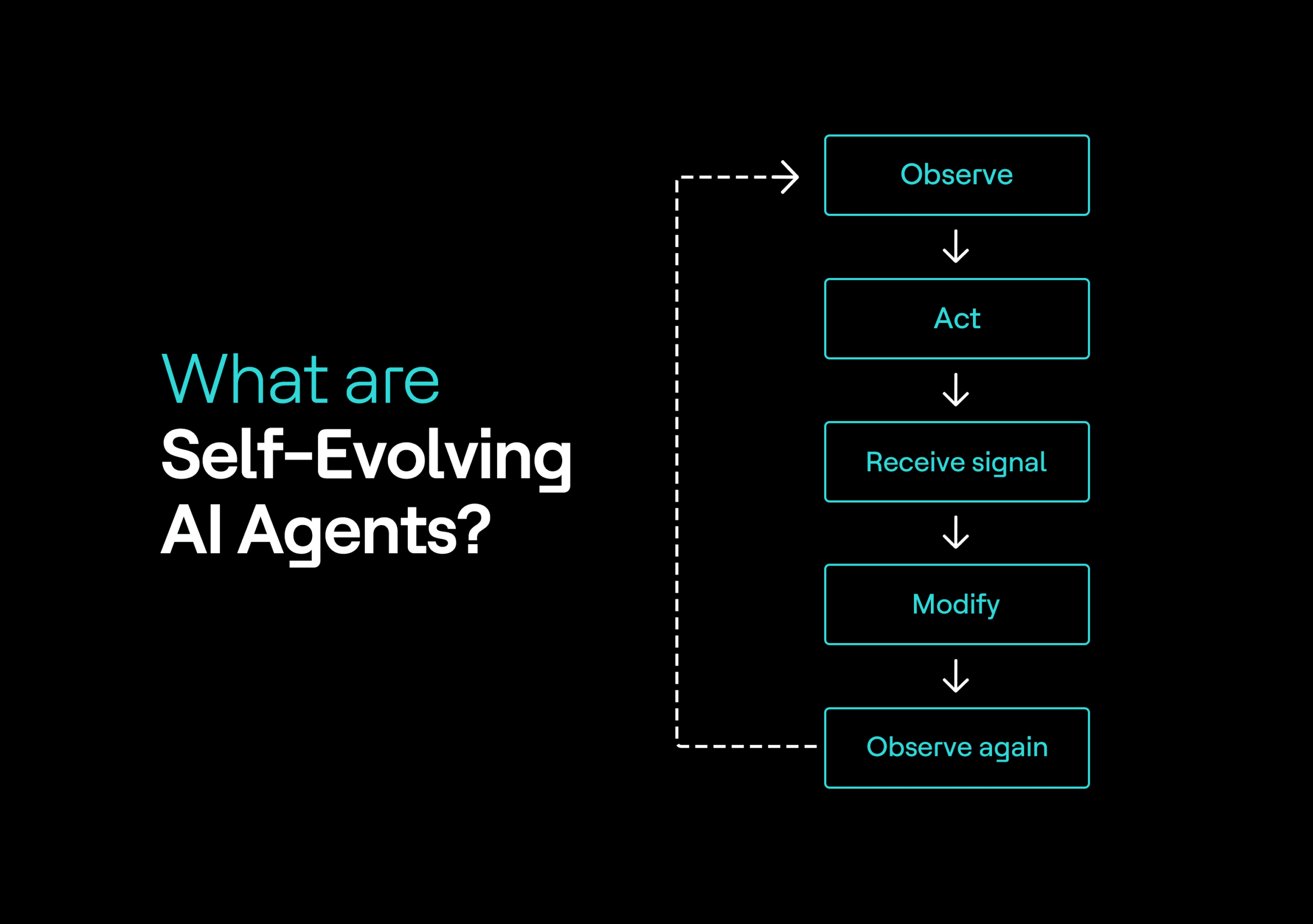
El ciclo de planificación, acción y evaluación continúa hasta que el agente alcanza su objetivo o llega a una condición de parada. Este bucle iterativo es lo que distingue la búsqueda por agente de los sistemas de consulta de un solo paso.
Búsqueda agencial en el análisis de datos de IA
En el análisis de datos de IA, la búsqueda activa permite a los sistemas ir más allá de la simple recuperación de datos y llevar a cabo flujos de trabajo analíticos complejos. Entre sus aplicaciones clave se incluyen:
Análisis exploratorio de datos
La búsqueda basada en agentes permite automatizar el proceso de exploración de conjuntos de datos para descubrir patrones, anomalías y relaciones. El agente puede comprobar hipótesis de forma iterativa, generar visualizaciones y perfeccionar su análisis en función de los resultados obtenidos.
Integración de datos
El análisis moderno de datos suele implicar la combinación de datos procedentes de múltiples fuentes. Un sistema autónomo puede identificar conjuntos de datos relevantes, conciliar las diferencias de formato o esquema y fusionarlos en una vista unificada.
Comprobación de hipótesis
En lugar de requerir una hipótesis predefinida, un sistema agencial puede generar y comprobar varias hipótesis en paralelo. Puede evaluar los resultados y centrarse en las líneas de actuación más prometedoras.
Informes automatizados
La búsqueda agentiva permite generar informes exhaustivos mediante la recopilación de datos, la realización de análisis y la síntesis de conclusiones en un relato coherente. Esto reduce el esfuerzo manual necesario para la documentación y la comunicación.
Apoyo a la toma de decisiones
Mediante el análisis continuo de los datos y la actualización constante de su comprensión, un sistema autónomo puede ofrecer recomendaciones en tiempo real para la toma de decisiones. Esto resulta especialmente valioso en entornos dinámicos como el financiero, el sanitario y el operativo.
Ventajas de la búsqueda por agentes
La búsqueda basada en agentes ofrece varias ventajas con respecto a los métodos tradicionales de búsqueda y análisis.
Mayor eficiencia
Al automatizar los flujos de trabajo de varios pasos, los sistemas agenticos pueden completar las tareas más rápido que los procesos manuales. Además, pueden funcionar de forma continua sin cansarse.
Escalabilidad
La búsqueda agencial es capaz de gestionar conjuntos de datos grandes y complejos que resultarían difíciles de analizar manualmente por parte de las personas. Puede adaptarse a múltiples fuentes de datos y tareas.
Mejora en la obtención de información
El carácter iterativo y adaptativo de la búsqueda basada en agentes le permite descubrir información que podría pasar desapercibida en las consultas estáticas. Es capaz de explorar vías alternativas e identificar patrones inesperados.
Reducción de la carga cognitiva
Los usuarios no tienen que especificar cada paso del análisis. En su lugar, pueden definir objetivos generales y dejar que el agente se encargue de los detalles.
Flexibilidad
Los sistemas agenticos pueden adaptarse a diferentes tareas y ámbitos sin necesidad de una reprogramación exhaustiva. Esto los hace adecuados para una amplia gama de aplicaciones.
Búsqueda agencial frente a búsqueda tradicional: un gráfico
| Búsqueda tradicional | Búsqueda por agente | |
| Modelo de interacción | Consulta-respuesta | Continuo, iterativo |
| Rol de usuario | Guía cada paso | Establece los objetivos |
| Comportamiento del sistema | Reactivo | Proactivo |
| Gestión de la complejidad | Limitado | Alta |
| Capacidad de adaptación | Bajo | Alta |
Esta comparación pone de relieve el carácter transformador de la búsqueda agencial. No se trata simplemente de una mejora gradual, sino de un enfoque fundamentalmente diferente de la recuperación y el análisis de la información.
El papel de los modelos de lenguaje a gran escala
Los modelos de lenguaje a gran escala (LLM) desempeñan un papel fundamental a la hora de hacer posible la búsqueda agentiva. Aportan las capacidades de razonamiento, comprensión del lenguaje y generación necesarias para la planificación y la toma de decisiones. Cuando se combinan con herramientas como bases de datos, API y entornos de ejecución de código, los LLM pueden actuar como el «cerebro» de un sistema agentivo.
Sin embargo, los modelos de lenguaje grandes (LLM) por sí solos no son suficientes. La búsqueda agentiva requiere una arquitectura más amplia que incluya la integración de herramientas, la gestión de la memoria y mecanismos de control. Esta combinación permite al sistema pasar de la generación pasiva de texto a la resolución activa de problemas.
Un referente en la búsqueda basada en agentes: Actian AI Analyst
La búsqueda agentiva supone un avance significativo en el campo del análisis de datos mediante IA. Al combinar autonomía, razonamiento y exploración iterativa, permite a los sistemas ir más allá de la simple recuperación de información y llevar a cabo flujos de trabajo complejos y orientados a objetivos. Este cambio de paradigma tiene el potencial de transformar la forma en que las organizaciones analizan los datos, obtienen información y toman decisiones.
Actian AI Analyst destaca en su campo. Cuenta con el respaldo de una capa semántica regulada que reduce la probabilidad de que se produzcan «alucinaciones», mejora la calidad de los resultados y aumenta la confianza de los usuarios. Las entradas y salidas se procesan de forma conversacional, lo que permite un uso generalizado entre los equipos, incluso si los usuarios no están familiarizados con aspectos técnicos como el lenguaje de consulta estructurado (SQL). Realiza una visita guiada por el producto para descubrir cómo Actian AI Analyst puede utilizar la búsqueda agentiva para llevar el análisis de datos de tu organización al siguiente nivel.
Preguntas frecuentes
La búsqueda agencial es un proceso de búsqueda iterativo y orientado a objetivos que llevan a cabo agentes de inteligencia artificial capaces de planificar, actuar, evaluar y adaptarse en la búsqueda de información o conocimientos. A diferencia de la búsqueda tradicional, combina la búsqueda, el razonamiento, la planificación y la ejecución en un ciclo continuo, en lugar de limitarse a devolver resultados en respuesta a una consulta.
La búsqueda tradicional es reactiva: exige a los usuarios dirigir cada paso y ofrece resultados basados en palabras clave o consultas estructuradas. La búsqueda agentica es proactiva: permite a los usuarios definir objetivos de alto nivel, mientras que el agente de IA determina de forma autónoma qué consultas ejecutar, qué fuentes consultar y cómo perfeccionar su enfoque.
Los sistemas de búsqueda basados en agentes suelen incluir percepción y procesamiento de entradas, planificación, ejecución de acciones, gestión de la memoria y del estado, evaluación y retroalimentación, y adaptación iterativa. Estos componentes funcionan conjuntamente para permitir que el agente lleve a cabo de forma autónoma tareas complejas y de varias etapas.
Los modelos de lenguaje a gran escala proporcionan las capacidades de razonamiento, comprensión del lenguaje y generación necesarias para la planificación y la toma de decisiones en un sistema agentivo. Sin embargo, deben combinarse con la integración de herramientas, la gestión de la memoria y los mecanismos de control para pasar de la generación pasiva de texto a la resolución activa de problemas.
La búsqueda agencial ofrece una mayor eficiencia, escalabilidad en conjuntos de datos grandes y complejos, un mejor descubrimiento de información, una menor carga cognitiva para los usuarios y flexibilidad en diferentes tareas y ámbitos. Su naturaleza iterativa y adaptativa le permite descubrir información que las consultas estáticas podrían pasar por alto.
La búsqueda agentiva permite automatizar el análisis exploratorio de datos, la integración de datos procedentes de múltiples fuentes, la comprobación de hipótesis, la generación automática de informes y el apoyo a la toma de decisiones en tiempo real. Estas capacidades la hacen especialmente valiosa en entornos dinámicos como el financiero, el sanitario y el operativo.
Actian AI Analyst aplica una búsqueda «agentic» respaldada por una capa semántica regulada, lo que reduce las «alucinaciones», mejora la calidad de los resultados y aumenta la confianza de los usuarios. Procesa las entradas y salidas de forma coloquial, lo que lo hace accesible para los equipos, independientemente de su nivel de familiaridad técnica con herramientas como SQL.