Deep Generative Models

Generative Modelle sind Formen der künstlichen Intelligenz (KI) und des Maschinelles Lernen (ML), die tiefe neuronale Netze verwenden, die die Verteilung komplexer Training verstehen. Dieses Wissen erleichtert die Erzeugung großer Datensätze, die die Wahrscheinlichkeit des nächsten Elements in einer Sequenz kennen. Zu den Anwendungen gehören die Verarbeitung natürlicher Sprache, Sprachverarbeitung und Computer Vision.
Warum sind Deep Generative Models wichtig?
Deep Generative Models sind wichtig, wenn Sie plausiblere oder authentischere generierte Daten benötigen. Da diese Modelle die zugrunde liegende Verteilung und Wahrscheinlichkeit desDatensatz genau kennen, können sie ähnliche Datensätze synthetisieren.
Wie funktionieren Deep Generative Models ?
Um eine authentischere Ausgabe Ihres generativen Modells zu erzeugen, können Sie mit Generative Adversarial NetworksGAN) einen synthetischen Training erstellen, der ein zweites konkurrierendes neuronales Netz trainiert. Die generierten Instanzen des neuronalen Netzes werden zu negativen Training für den Diskriminator. Indem man lernt, die gefälschten Daten des Generators von den tatsächlichen Daten zu unterscheiden, ist es möglich, plausiblere und originellere neue Daten zu erzeugen.
Beispiele für Deep Learning Algorithmen
Je nach Anwendung eines tiefen generativen Modells sind verschiedene Algorithmen anwendbar. Dazu gehören die folgenden.
Variationale Autoencoder
Variationale Autokodierer können lernen, neue Stichproben aus einem vorgegebenen Datensatz zu rekonstruieren und zu generieren. Durch die Verwendung eines latenten Raums können Variations-Autoencoder Daten kontinuierlich und reibungslos darstellen. Dies ermöglicht die Erzeugung von Variationen der Eingabedaten mit sanften Übergängen.
Generative adversarische Netze
Generative adversarial networks (GANs) sind generative Modelle, die neue Dateninstanzen erzeugen können, die den Training ähnlich, aber nicht gleich sind. GANs eignen sich hervorragend für die Erstellung von Bildern, sind aber nicht so ausgefeilt wie Diffusionsmodelle.
Autoregressive Modelle
Ein autoregressives Modell ist ein statistisches Modell, das zum Verständnis und zur Vorhersage zukünftiger Werte in einer Zeitreihe auf der Grundlage vergangener Werte verwendet wird.
Flussmodelle normalisieren
Normalizing Flows ist eine Methode zur Konstruktion komplexer Verteilungen durch Transformation einer Wahrscheinlichkeitsdichte durch eine Reihe von invertierbaren Abbildungen. Durch wiederholte Anwendung der Regel für die Änderung von Variablen "fließt" die ursprüngliche Dichte durch die Folge invertierbarer Abbildungen.
Energie-basierte Modelle
Ein energiebasiertes Modell ist ein generatives Modell, das normalerweise in der statistischen Physik verwendet wird. Nach dem Erlernen der Datendistribution eines Training kann das generative Modell andere Datensätze erzeugen, die mit den Datenverteilungen übereinstimmen.
Score-basierte Modelle
Score-basierte generative Modelle schätzen die Scores aus den Training und ermöglichen es dem Modell, den Datenraum entsprechend der gelernten Verteilung zu navigieren und ähnliche neue Daten zu erzeugen.
Anwendungen von Deep Generative Models
Nachfolgend finden Sie einige Anwendungsfälle für deep generative models , die heute in der realen Welt eingesetzt werden:
- selbstfahrendes Fahrzeug verwenden Eingaben von visuellen und Lidar-Sensoren, die in ein neuronales Netz eingespeist werden, das zukünftiges Verhalten vorhersagt, um Tausende Male pro Sekunde proaktive Kurskorrekturen vorzunehmen.
- Betrugserkennung vergleicht historisches Verhalten mit aktuellen Transaktionen, um Anomalien zu erkennen und entsprechend zu handeln.
- Virtuelle Assistenten lernen den Musikgeschmack einer Person, ihren Zeitplan, ihre Kaufhistorie und alle anderen Informationen, zu denen sie Zugang haben, um Empfehlungen auszusprechen. So können sie zum Beispiel Fahrtzeiten nach Hause oder Orte zum Arbeiten vorschlagen.
- Unterhaltungssysteme können Filme auf der Grundlage früherer Betrachtungen ähnlicher Inhalte empfehlen.
- Eine Smartwatch kann vor möglichen Krankheiten, Überanstrengung und Schlafmangel warnen, um das Wohlbefinden des Besitzers zu überwachen.
- Mit einer Digitalkamera aufgenommene oder gescannte Bilder können durch Erhöhung der Schärfe, Ausbalancieren der Farben und Anpassen des Ausschnitts verbessert werden.
- Für Filme oder Konferenzvideos können automatisch Untertitel generiert werden, um die Wiedergabe zu verbessern.
- Die Handschrift kann erlernt werden, und neuer Text kann im gleichen Stil erstellt werden.
- Für Videos mit Untertiteln können Untertitel in mehreren Sprachen erstellt werden.
- Fotobibliotheken können mit Beschreibungen versehen werden, um das Auffinden ähnlicher Fotos oder von Duplikaten zu erleichtern.
Actian und die Data Intelligence Plattform
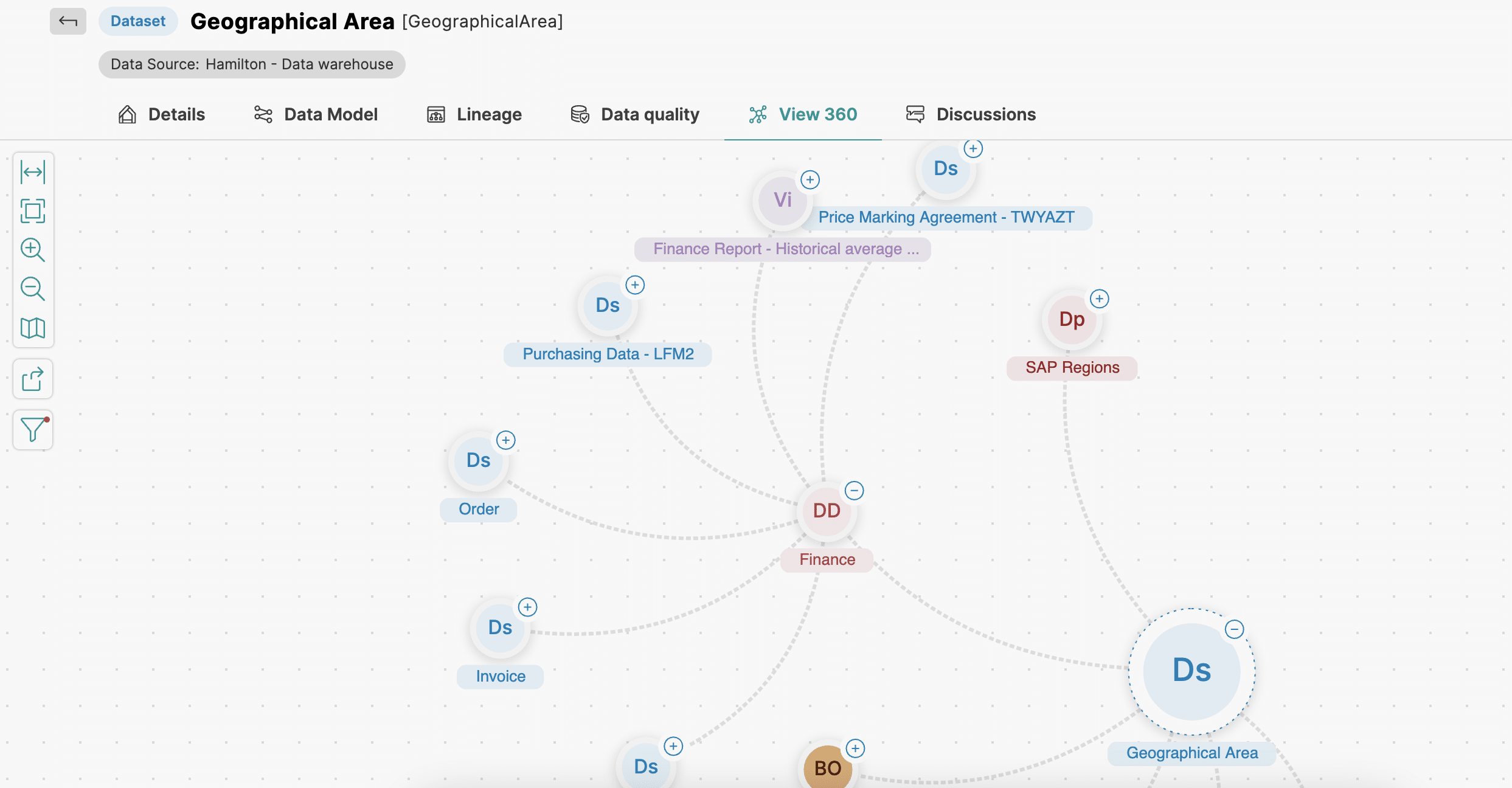
Die Actian Data Intelligence Platform wurde speziell dafür entwickelt, Unternehmen bei der Vereinheitlichung, verwalten und dem Verständnis ihrer Daten in hybriden Umgebungen zu unterstützen. Sie vereint Metadaten , Governance, Lineage, Qualitätsüberwachung und Automatisierung in einer einzigen Plattform. So können Teams sehen, woher die Daten kommen, wie sie verwendet werden und ob sie internen und externen Anforderungen entsprechen.
Durch seine zentrale Schnittstelle unterstützt Actian Erkenntnis über Datenstrukturen und -flüsse und erleichtert so die Anwendung von Richtlinien, die Lösung von Problemen und die abteilungsübergreifende Zusammenarbeit. Die Plattform hilft auch dabei, Daten mit dem geschäftlichen Kontext zu verbinden, damit Teams Daten effektiver und verantwortungsvoller nutzen können. Die Plattform von Actian ist so konzipiert, dass sie mit sich entwickelnden Datenökosystemen skaliert und eine konsistente, intelligente und sichere Datennutzung im gesamten Unternehmen unterstützt. Fordern Sie Ihr persönliches Demo an.
FAQ
Deep generative models sind fortschrittliche Maschinelles Lernen , die die zugrunde liegende Struktur von Daten erlernen und neue, realistische Datenmuster erzeugen. Sie verwenden tiefe neuronale Netze, um komplexe Muster zu modellieren, was sie für Anwendungen wie Bildsynthese, Texterstellung und Datenerweiterung nützlich macht.
Deep generative models funktionieren durch Training auf großen Datensätzen, um die Wahrscheinlichkeitsverteilung der Daten zu verstehen. Sobald sie trainiert sind, können sie neue Beispiele erzeugen, die den ursprünglichen Daten ähneln. Techniken wie Variations-Autoencoder (VAEs), generative adversarische Netze (GANs) und Diffusionsmodelle werden häufig verwendet, um dies zu erreichen.
Deep generative models sind wichtig, weil sie Maschinen in die Lage versetzen, neue, aussagekräftige Daten zu erstellen, die für Forschung, Design und Problemlösung genutzt werden können. Sie fördern die Kreativität, unterstützen die Datensynthese für die Training anderer Modelle und treiben Innovationen in Bereichen wie Kunst, Medizin und Verarbeitung natürlicher Sprache voran.
Zu den Anwendungen gehören die Erzeugung von Bildern und Videos, die Verarbeitung natürlicher Sprache, die Arzneimittelforschung, die Erkennung von Anomalie und die Datensimulation. Sie werden auch in Branchen wie der Unterhaltungsindustrie, dem Gesundheitswesen und dem Finanzwesen eingesetzt, um synthetische Daten zu erstellen oder bestehende Datensätze zu verbessern.
Zu den wichtigsten Typen gehören:
- Generative kontradiktorische Netze (GANs): Modelle, bei denen ein Generator und ein Diskriminator miteinander konkurrieren, um realistische Ergebnisse zu erzielen.
- Variationale Autokoder (VAEs): Modelle, die latente Darstellungen lernen, um neue Datenpunkte zu erzeugen.
- Diffusionsmodelle: Modelle, die zufälliges Rauschen iterativ in strukturierte Daten umwandeln.
Actian unterstützt die Entwicklung generativer Modelle durch leistungsstarke Datenintegrations-, Management- und Fähigkeiten. Durch die Bereitstellung einer skalierbar Infrastruktur und einer High-Performance Datenverarbeitung ermöglicht Actian es Unternehmen, generative Modelle effizient und zuverlässig trainieren, zu testen und einzusetzen.